Wine is an exceptional product and the public loves it. It is given as a gift for every occasion. Behind the meticulous production work sits a wine logistics operation that could not matter more: whether it succeeds or fails decides the fate of the whole industry. Fragile and delicate by nature, wine is extremely sensitive to its environment. This living, unstable product therefore comes with its own set of constraints that demand attention at every moment. Hence the importance of putting rigorous logistics and processes in place to do justice to such a refined product.Marc Beauvallet, Shippr’s Sales Manager for France, knows the logistics constraints of wines and spirits well. He looks after several clients in the sector, advising them and putting rigorous processes in place so the logistics run in the best possible conditions. Drawing on that long experience, he shares his advice on getting this kind of transport right.
Wine logistics has plenty of requirements
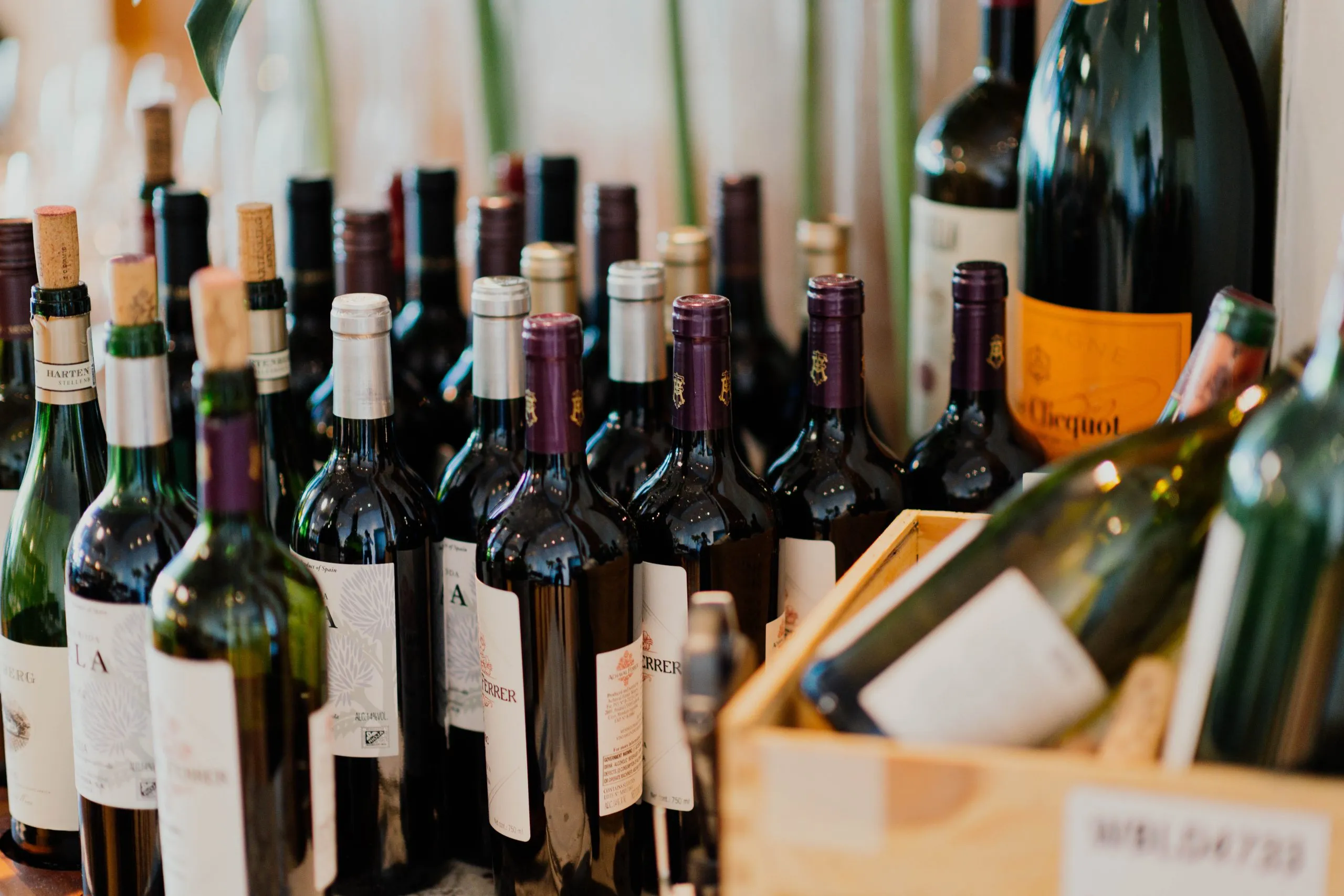
First, wine needs oxygen to age well and to let its molecules change chemically. But oxidation that is too abrupt would badly affect its colour, its aromas and even its structure. Wine bottles also have to be kept somewhere cool: the controlled temperature should sit between 14 and 16° C. Then, humidity that is too low or too high can affect quality. To rule out any risk, it needs to stay between 50 and 75%. Light is another risk factor: ultraviolet is one of wine’s enemies, so avoiding any exposure to natural light is essential. Finally, vibration is a serious threat to quality. Handling wine and moving it therefore call for professional logistics.
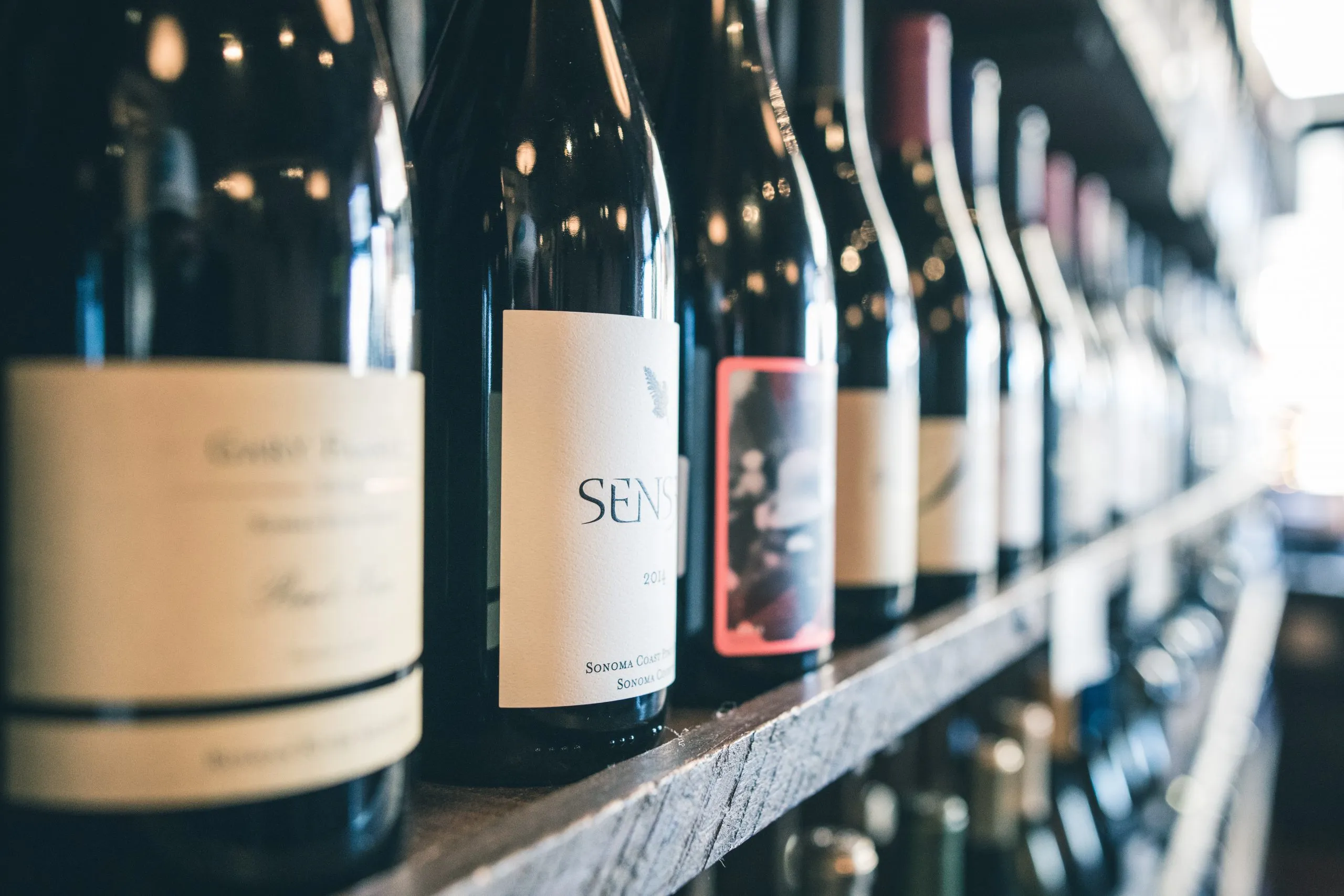
Different wines, different transport needs
Producers, distributors, wine merchants, grocers, online retailers: wine logistics is a challenge for every player, each with specific needs when it comes to moving bottles of wine or spirits. As online trade has grown, many of them now have their own webshop with a delivery service built in. Deliveries can go to consumers but also to businesses. A producer can deliver bottles straight to its trade network: supermarkets, delicatessens, even wine merchants. A distributor can transfer bottles of wine between several outlets, or run delivery rounds straight to its business and consumer customers.During the festive season, these French regional products are a popular gift: corporate gifts, leaving presents, birthdays…So a rigorous, expert logistics operation that respects the wine is essential for everyone in the sector.
How do you run wine logistics?
I work with several clients on their wine and spirits logistics, and I am constantly struck by how complex it is. These products are extremely fragile: one problem in transit and the quality of an exceptional product can be compromised. That is why I always recommend building genuine logistics expertise with my clients. The experience I have gained alongside them has taught me how this kind of transport works and where the crucial points of attention are. Here they are, so you can optimise your wine and spirits deliveries.
Watch how the bottles sit during transport
For safe transport, stand the bottles upright with the neck at the top. Plenty of people think it is better to lay them down. That belief comes from the wine cellar, where bottles are usually stored on their side. The problem with that position is the risk of the wine moving about inside the bottle in transit. Wine is what you might call a “living” material and does not like to “travel”. Shake it too much and it can slosh back and forth, and that movement can spoil the taste. So I always tell our partner couriers to make sure the necks point upwards: no risk taken, and the bottles stay stable.
Pack the wine bottles properly
Directly related to the point above, packaging is essential to keeping bottles safe during delivery. Glass wine bottles are very fragile and need the best possible protection, and that takes several steps.
Go for cardboard wine cases
The upright storage carton is the best way to carry these bottles in the right conditions. It has several advantages:
- Strong: with its multiple layers of cardboard, inside and out, the cardboard wine case is ideal protection. It also has internal dividers, and those cardboard cells stop the bottles knocking into each other.
- Upright: this carton automatically holds your bottles vertical, which satisfies the point above.
- Adaptable: wine and sparkling wine bottles come in a range of shapes and sizes, and most wine cases were built with that in mind. So you can pack any of them, whatever the size or shape.
- Storage: these cardboard wine cases are designed to make transport easy, and storage at the other end too (shop, warehouse …)
Put the right labels on
When I talk to my clients, I always remind them to check that the bottles went into the cartons upright during that preparation stage. And for extra safety, I advise them to choose cartons that carry a warning. In practice that means a “this way up” marking, so nobody gets it wrong when carrying the cartons and loading them into the vehicle. Our Shippr partner carriers are used to handling all sorts of goods, fragile parcels included. Together with our support team, we brief every courier so the transport is done carefully.
Avoid thermal shock
Wine is an exceptional product that needs the greatest care, and that means strict temperature control. Too sharp a rise causes thermal shock, which badly damages quality. The ideal temperature for carrying wine is between 10° and 14°C. To hold that, I advise my clients against moving bottles in summer or during a heatwave, unless you have the right vehicles.
How do you hold the transport temperature?
Transport at a controlled temperature in air-conditioned containers keeps your bottles safe. For clients moving wine, I ask the partner couriers who own refrigerated vans to take the job. I favour that kind of vehicle because cars carry a risk of thermal shock. When bottles travel in a boot that was never built for them, a rise in temperature is a risk factor: after a few hours at 25 °C, wine automatically starts to expand. It then leaks out if the bottle is neck down or lying flat. The pocket of air in the bottle grows and speeds up oxidation of the liquid.We also work exclusively with transport professionals at Shippr. They know the AFSCA rules and the hygiene standards that apply to refrigerated vans, which are fitted with temperature sensors so the load is monitored the whole way.
Control how the cartons of bottles are loaded
If you decide to deliver several cartons of wine in your own vehicles, always load them on the side away from the exhaust. The reason is simple: after a few hours on the road, the exhaust gives off intense heat. However good your insulation, cartons of wine sitting above it will soak up that heat.
Where should you put the cartons of wine to keep them safe?
To stop the exhaust damaging fragile goods, put the cases at the opposite end from it. When you have to use the whole boot, you can lay sheets of Sagex on the boot floor. They act as insulation. On top of that, you can throw a thick blanket over the cases, which holds their starting temperature for longer.
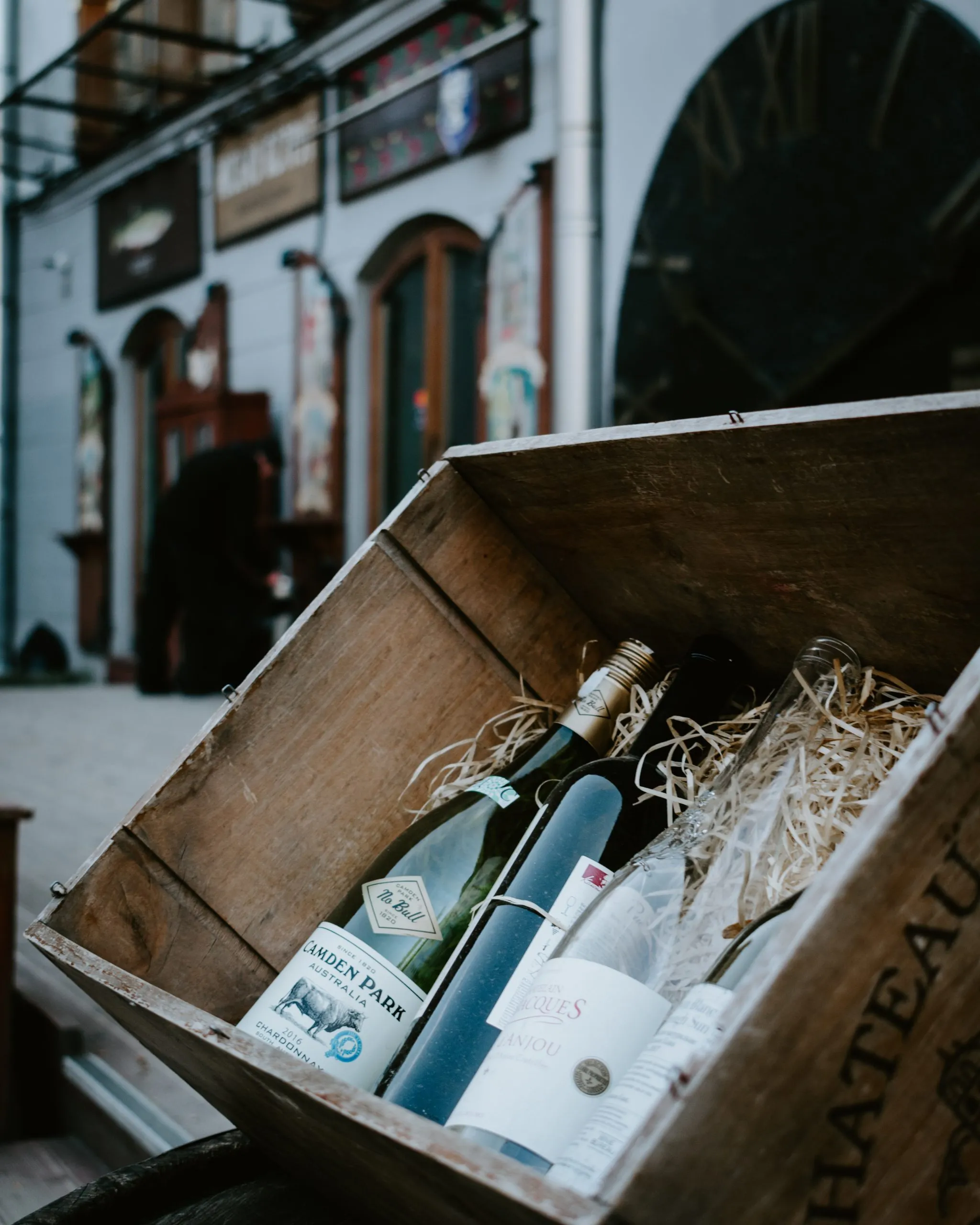
Unload the bottles straight away
Once you arrive, unload your cartons without wasting time. Put them straight into a cool, humid place or, better still, take them down to the cellar if you can. As for the position of the bottles, lay them flat this time. You can put them back the way they started because it lets the wine touch the cork again, which stops the cork drying out. When I brief carriers, I always ask them to be careful while unloading. Our partner couriers also lend a hand with heavy, bulky or fragile goods: their experience means they handle every product the best way there is.
Wait before drinking the wine
Transport inevitably tires wine, so I always advise against drinking it straight after a journey. Ideally, give the wine at least 3 to 4 weeks to rest. That rest lets it return to its original form.
Who should you trust with carrying wine?
Wine logistics is complex, so strict procedures are essential to preserve the integrity and quality of such an exceptional product. Whether you have carriers in-house or use an external logistics provider, you have to entrust your deliveries to transport professionals above all else. That is the one thing that guarantees those strict conditions are met. At Shippr, we have mastered every process, including the cold chain the food sector requires and the strict safety protocols of the catering and wine trades.
My colleague Astrid already wrote about this in her article on central kitchens; you can read it here.
By asking Shippr to handle part or all of your wine logistics, you get plenty of advantages:
-
Same-day and Express deliveries, with no middleman: Shippr’s speciality!
-
More than 500 professional partner couriers putting their expertise to work across the whole logistics chain (loading, transport and unloading),
-
Temperature-controlled vans and strict safety protocols,
-
Delivery solutions to suit every need: ship from store, transfers between outlets, refrigerated transport and fragile parcels, delivery rounds …
-
Real-time tracking of every delivery, plus email and SMS updates telling the recipient how their parcel is progressing,
-
A support team available 7 days a week to keep every delivery running, from 6am to 10pm.
Feel free to contact one of our business experts, or me, to talk through your needs and the best processes to put in place.