Do you know the key to logistics that keeps the cold chain intact? Whether you run a restaurant, a butcher’s, a fishmonger’s or a farm, temperature traceability is now part of your daily logistics. Frequent readings let you follow the temperature curve, remotely and in real time, so that the cold chain never breaks. That monitoring has been compulsory since 1997 and applies to all food, whatever temperature it is held at, above or below zero. So how do you meet the challenge of fridge temperature traceability? Here is a closer look at this essential health check.
Temperature traceability: a major issue for professionals
Temperature traceability for food
When we talk about monitoring the temperature of a fridge, the main point is to avoid the excessive food waste that a break in the cold chain would cause. That break can happen at any point in the chain, from production through to the moment products reach consumers. Food traceability therefore covers where the food came from, but also the temperature traceability of the fridge holding it.
Temperature monitoring for pharmaceutical products
It would be too simple to think that traceability applies only to food. Medicines and pharmaceutical products are covered too. They are expensive and need great care, particularly in handling. Holding them at temperature is essential if they are to keep their properties and their active ingredients. A break in the cold chain would put them at risk.
Temperature traceability for cosmetics
The last major family of products needing temperature traceability is cosmetics. The two sectors above face serious health stakes, but the cosmetics industry has strict temperature rules of its own. The active ingredients and biologically derived substances in these products are extremely sensitive to temperature swings. A break would alter those substances and reduce the quality of the product.
How do you ensure the temperature traceability of a fridge?
For traceability to work, every check has to be recorded straight away. Once you have checked the temperature, you must log it so that you keep a history.
1. Checking the temperature
There are three ways to check the temperature of your fridge:
Put a thermometer inside the cold store
Fixing a thermometer inside the unit lets you read the temperature easily. One point to note: the thermometer must be in good condition and working correctly. You also need to calibrate it at least once a year, to check that the zero it shows really is 0°C.
Use a laser thermometer
These newer laser tools let you go round all your cold stores. The thermometer reads the temperature of a product inside each one.
Fit your cold stores with automatic sensors
Although keeping the cold chain intact has mattered for a long time, systems for tracing temperatures and preserving products took a while to become professional. Connected traceability solutions are now emerging. Automatic temperature sensors exist and take readings continuously. These systems have grown more sophisticated, and many connected tools alert you when something is wrong.
2. Recording the temperature
Once you have checked the temperature, where is the best place to record it? Here too, there are several ways of doing it:
Manual records
You can take your temperature readings by hand. If you do, there are temperature log sheets designed for the purpose. Take care to keep those loose sheets together in a single file, in case of an inspection.
A temperature logging app
With digitisation, apps built specifically for temperature traceability have appeared. The Octopus HACCP app is one example. It lets you take readings straight from your phone and keep a record of them. It also alerts you when a temperature looks wrong or inconsistent.
Connected temperature logging software
Finally, software connected directly to the temperature sensors in your cold stores is the least time-consuming option. Fit your units with wireless sensors or connected probes and they will take readings at regular intervals. Each reading is written into the software to build a history, entirely automatically. And if anything looks wrong, you get an SMS or email alert immediately. This digital option saves you valuable time in your temperature traceability work.
How often should you check temperatures?
If your business uses a fridge or freezer every day, check them very regularly. Cold stores such as cold rooms need continuous monitoring. That closer watch is what lets you spot power cuts or technical faults that would change the temperature of your products. As a rule, this is one of the first checks you should carry out. To do it:
-
- Walk round your cold stores and check that none of them shows any sign of failure.
- Check as well that the products inside them have not been through a break in the cold chain.
How long should you keep temperature records?
The law sets no precise minimum for how long you keep your temperature records. Some advise a minimum of three months; we advise keeping them for at least a year, which is safer. We suggest a year because inspectors sometimes ask for the previous year’s documents. That way they can satisfy themselves that your checks have been carried out and have stayed regular ever since.
Fridge temperature traceability during transport
Before transport
Whether they are food or pharmaceutical, products go through several checks, at every point in the supply chain. Given that they are repacked, exposed to temperature and to other factors such as humidity and light, those verification steps matter. They are what guarantees the product is respected and that fridge temperatures are traceable, so you know how the products have reacted.
During transport
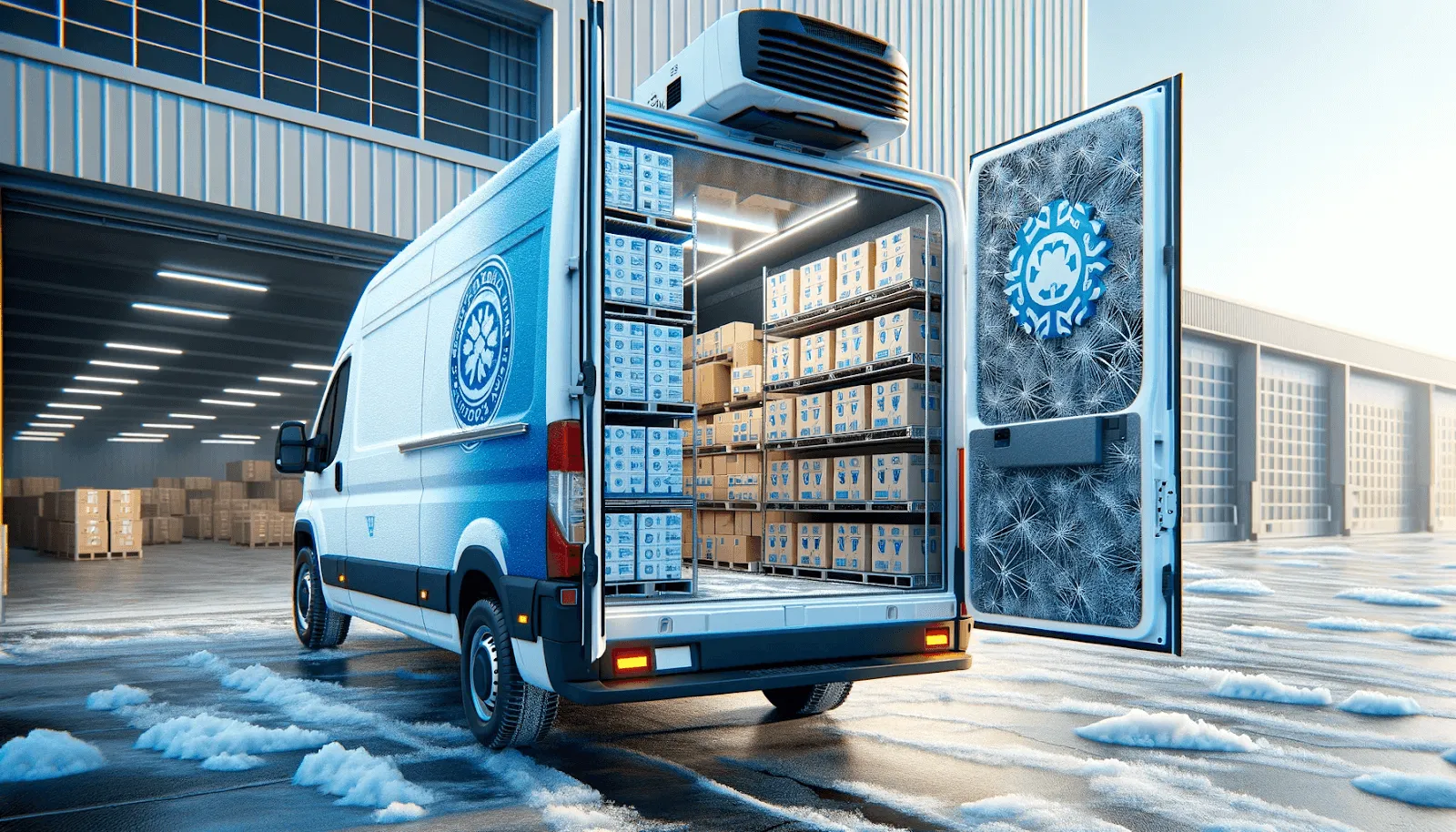
As markets and their products have globalised, the authorities and the players in each market have had to adapt. The ultimate goal is to answer both challenges: keeping the cold chain intact and keeping temperatures traceable. That adaptation was unavoidable if trade and the transport of goods were not to be held back, and if products were not to be spoiled. This is why professionals now fit temperature monitoring systems to guarantee temperature traceability through every phase of transport.
For refrigerated transport that meets the standards in force, you can call on an external professional such as Shippr. As well as saving time managing your refrigerated consignments, you gain expertise through our professional carriers. They have the knowledge and the skills for this kind of transport, so you can be sure your products are handled and delivered in the best possible conditions. Want to talk it through? Get in touch with our business experts.