Have you ever sent back something you bought online? If so, you played your part in the rise of reverse logistics in e-commerce. Reverse logistics covers the return of goods from the end customer to the manufacturer, for example. Where logistics usually handles the flow from producers and manufacturers to consumers, this kind of logistics runs the supply chain the other way. It is generally hard to set up, and it now matters to every sector that delivers. So how do you turn it into an advantage? This article sets out what actually works.
What does reverse logistics cover?
Reverse logistics is the process by which goods are returned from the recipient to the point of sale or the manufacturer. It runs the reverse journey along the supply chain, and it covers several stages: collection, sorting, inspection, storage and processing of returned products. Reverse logistics comes into play in several situations, in particular when:
-
- the product is returned because it is faulty
- a picking error means the recipient does not get the product they ordered
- stock is seasonal: you sell certain goods at specific moments of the year and store them the rest of the time (toys at Christmas, for instance)
- a customer is unhappy with the product and wants to send it back
- etc.
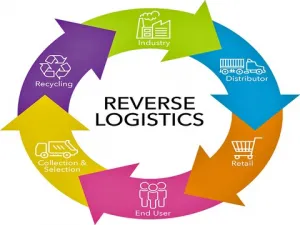
Reverse logistics in numbers
Reverse logistics has been taking on more and more importance in many sectors for several years. Some of them, such as household appliances, electronics and e-commerce, already handle heavy return flows and feel the effect directly.With the growth of online sales and of deliveries across every sector, reverse logistics now concerns any business at all. It has even become a deciding factor in whether someone buys online. According to a FEVAD study, returns rank in the top 3, just behind price and delivery options. The same study found that 24% of products sold online are sent back. Another study, by Deloitte, predicts that retailers will have to handle around 13 billion returns in 2022. Telling figures, and a measure of how essential returns and their management have become.
Handling returns: a legal obligation
Handling returns is also a legal obligation in Europe. Since the loi Hamon, consumers have had 14 days to return an order. Retailers, for their part, must refund them within 14 working days of the withdrawal date or of the date the product was sent back. Your terms and conditions have to state the cost of return postage and include a withdrawal form. For a customer to be satisfied, sending the product back and getting the refund has to be easy.
What is at stake in reverse logistics?
Returns logistics carries serious stakes, in financial terms, for brand image, for profitability and even for sustainability. The end goal is always the same: customer satisfaction. Managing return flows carries a high logistics cost if it is not optimised. An unsold product left sitting in stock steadily loses its value. That is why this branch of logistics works to cut that storage or waiting time, and to give products a second life. Sometimes reconditioning is simply impossible. In that case, reverse logistics also handles disposal properly and in an environmentally sound way. Return costs can also eat significantly into profits. All the more so as consumers pay more and more attention to returns when they buy online. All of which is now pushing companies to digitise and, above all, optimise their reverse logistics. A good reverse logistics strategy matters as much for cutting costs, getting products back into the sales cycle faster and looking after the customer experience as it does for keeping consumers happy.
What are the benefits of an effective reverse logistics process?
An effective returns logistics process brings companies several benefits:
- Reducing environmental impact: reusing materials in production avoids drawing on new raw materials. It also cuts energy use and makes the company more profitable.
- Improving brand image and customer satisfaction: consumers expect more and more when it comes to the environment. Committed companies gain a competitive advantage and build strong customer loyalty.
- Controlling stock more effectively: companies that put a reverse logistics process in place manage their stock better. It avoids overstocking used products and reduces the risk of error.
In the end, all of these benefits feed through to lower costs and higher profits.
How do you give returned products a second life?
Several methods exist for giving products a second life and, in doing so, recovering their economic value:
-
- Repair: you put a faulty product back into working order.
- Recycling: you take the materials or components of the returned goods to make new products.
- Refurbishment: you rework a used product to bring it back to a decent standard of quality, even if it stays below the original one.
- Cannibalisation: you recover reusable components from a product in order to use them to repair or refurbish others.
How do you set up effective reverse logistics?
As we have seen, running reverse logistics well is now essential. Many companies are putting different strategies in place to optimise the process and also to cut losses. For example:
-
- reconditioning products
- optimising the ordering process to avoid picking errors
- recycling materials or reusing certain components
Identify why things come back
Before optimising your reverse logistics flows, you need a detailed study of your needs, your objectives and the possible reasons for returns. That analysis lets you:
-
- choose return procedures and options that also cut your costs
- think about packaging that is easy to reuse
- and tell your customers how returns work
Optimise return flows and processing in the warehouse
To optimise return flows inside the warehouse, it is important to set aside a dedicated returns area. That space is where returned goods are received, checked and stored. The inspection stage matters especially. The more the flow of returned products is tracked, the easier it is to give them the right treatment quickly:
-
- putting them back on sale directly through another channel (outlet, marketplace …),
- recycling
- or returning them to suppliers
Automate sorting, storage and processing
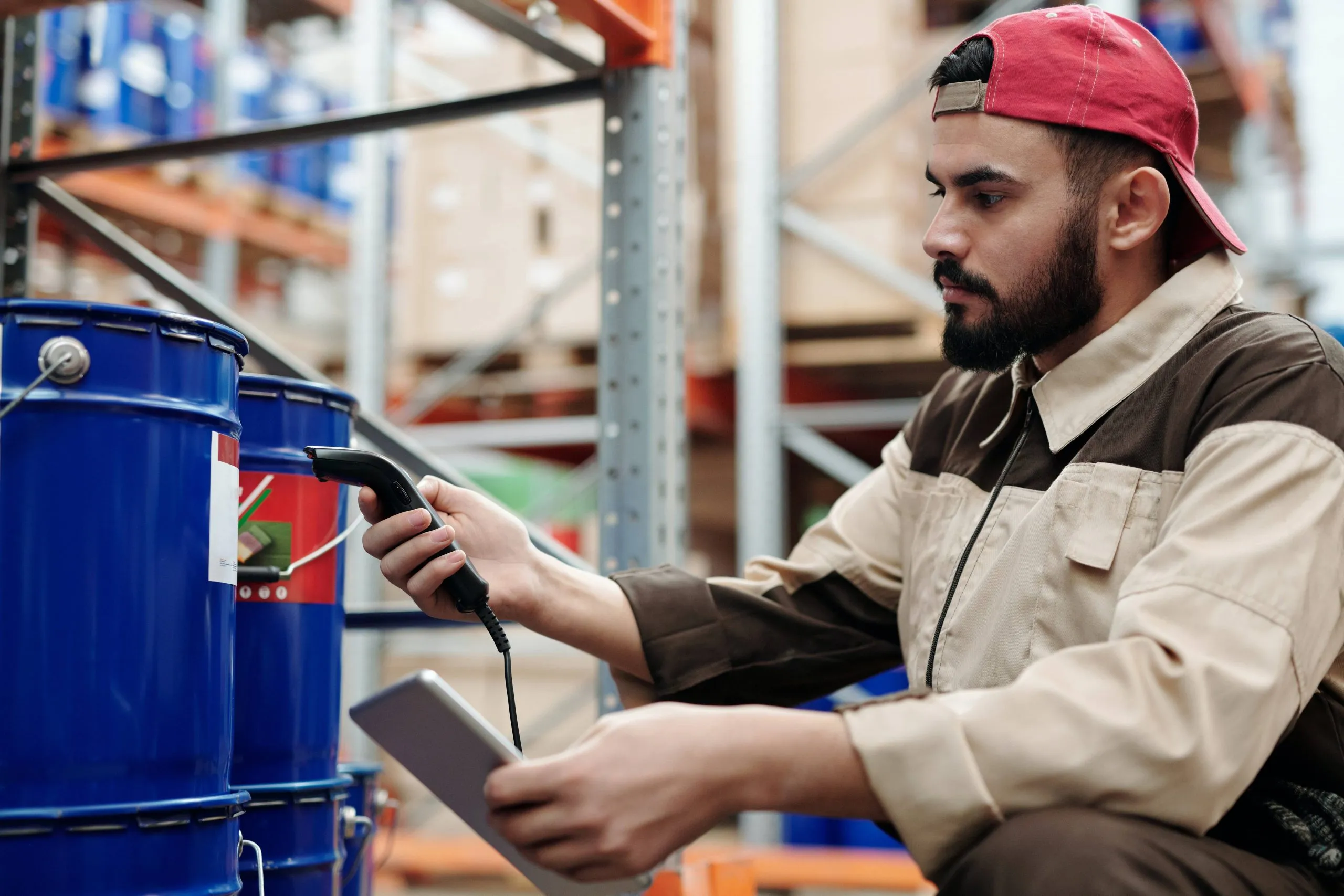
Automation is essential if you want to cut handling and movement, and to optimise and control operations. Some software can keep up with faster processing of these return flows without losing quality. It lets operators simply scan returned products, which are then referenced and logged automatically in your stock management system. The operator saves time and works more efficiently. Robotics brings you traceability, smoother flows and productivity. With this method you log every return, so you avoid stock errors and losses.
Bring in an external logistics provider
Some external partners offer to run this logistics for you. With the infrastructure and the skills to optimise these flows, they let you cut costs, gain flexibility and improve customer satisfaction. Shippr, for instance, already handles delivery returns: the software lets you plan and account for returns simply by ticking the option when you create a delivery. Popular with the many sectors used to returns, Shippr manages this delivery option end to end.And since Shippr’s speciality is same-day delivery, the same goes for returns. No stops at sorting centres: your returns are collected and taken straight back to your warehouses, points of sale or manufacturers. You get professional expertise and a lot of flexibility. Returns are not always predictable, so calling on a partner like Shippr exactly when you need one is an advantage, and not always something you can manage in house.
To find out more about the reverse logistics Shippr runs and how to fit it to your needs, get in touch and talk it through with one of our business experts.