The Covid-19 pandemic forced retailers to reinvent themselves like never before. Widespread closures and the rise of online shopping pushed them to be resilient, agile and inventive in how they run their logistics. Big trends emerged in the sector and turned into challenges retailers now have to meet. The customer experience and logistics practices are both changing for retailers. Here are the challenges facing retail logistics, and the keys to making sense of this new landscape.
What are the big challenges? And how does good delivery management answer them?
Retail logistics: what exactly are we talking about?
Retail describes a business or a person — the retailer — selling products directly to consumers. There is no transformation of the products in the process: the goods the retailer buys are the goods sold on to customers. It is the final step in the distribution chain. Those products are sold online or in a shop. Retail differs from wholesale in where the products end up: a wholesaler or supplier sells its goods to another business. Retail logistics, then, means optimising the flows that apply specifically to retailers. It is for every retailer that wants to streamline its processes and concentrate on its core business, and one of its objectives is getting customers’ parcels to them quickly. Consumers see delivery as part of the service, but the logistics of that final step are complex for retailers, so they look to optimise the process to make it as efficient and as affordable as possible for their customers.
The pandemic and the boom in online shopping have shaken up retail logistics
The pandemic closed businesses across many sectors. Retailers among them had to shut their shops temporarily to avoid contact.
A lot of buyers moved to online channels. 40% of French consumers surveyed by ChannelAdvisor and Dynata say they buy online more often than they did before Covid-19.
The direct consequence was that many retailers decided to invest in and build out e-commerce so they could keep part of their business running. Online retail was already being adopted by more and more of them, but Covid-19 accelerated it. Selling online became essential.

Retail logistics: the big challenges
Phygital: physical and online retail as complements
The wave of digital innovation and new ways of buying make phygital worth betting on.
According to a CCM Benchmark study, 67% of French online shoppers say they research on an e-commerce site first and then buy the item in store. That behaviour is called web-to-store.
Hence the idea of the phygital store. A blend of “physical” and “digital”, it sets out to combine the strengths of physical retail with the freedom of buying online. The strategy is described as “omnichannel”. Heavily customer-focused, it aims to simplify and smooth the purchase journey — and it turns shops into small logistics hubs in their own right.
Omnichannel: merging your acquisition channels
An omnichannel strategy sets out to deliver a fuller, more personalised customer experience, online or in store.
According to one study, omnichannel makes consumers buy 250% more often than those using a single channel.
Cross-channel, by contrast, brings several channels into the customer journey one after another. Its aim is to connect those channels so they complement each other, so you can move from a physical channel — the shop — to an online one. Click and collect is a cross-channel strategy: the customer orders online and then comes into the shop to pick the order up.
Personalisation and staying close to customers
Digital has changed consumer behaviour, especially in retail. Getting closer to customers, who are constantly being courted by businesses, is now essential. Catching and holding their attention has become a serious challenge, and that is where proximity comes in. Personalisation is another consumer expectation created by the rise of digital. Retail now has to offer a memorable buying experience. Customers are looking for experiences that are unique and, by extension, personal to them.
Transparency and authenticity as the retailer’s guiding values
Unlimited access to information, and the rise of responsible buying
Digital gives consumers access to everything: information, reviews, other consumers’ experiences. The direct consequence of that flood of information is that they are increasingly sceptical. Another trend is emerging with the public at large: responsible consumption. Consumers research products and their impact — environmental as well as health — far more than they used to.
Transparency and authenticity are becoming the retail standard
For retailers, guaranteeing more transparency and communicating it is becoming a priority. These concerns run across every part of retail: cosmetics, fashion and the rest. The values a brand stands for now matter to whether customers buy into it, and they are more likely to pay more for a product that matches their own values. The brands that stand out are the ones that are transparent and authentic. The reason is simple: those retailers build a stronger bond with their customers and create a genuine community. It is by maintaining an authentic relationship that you earn consumers’ trust.
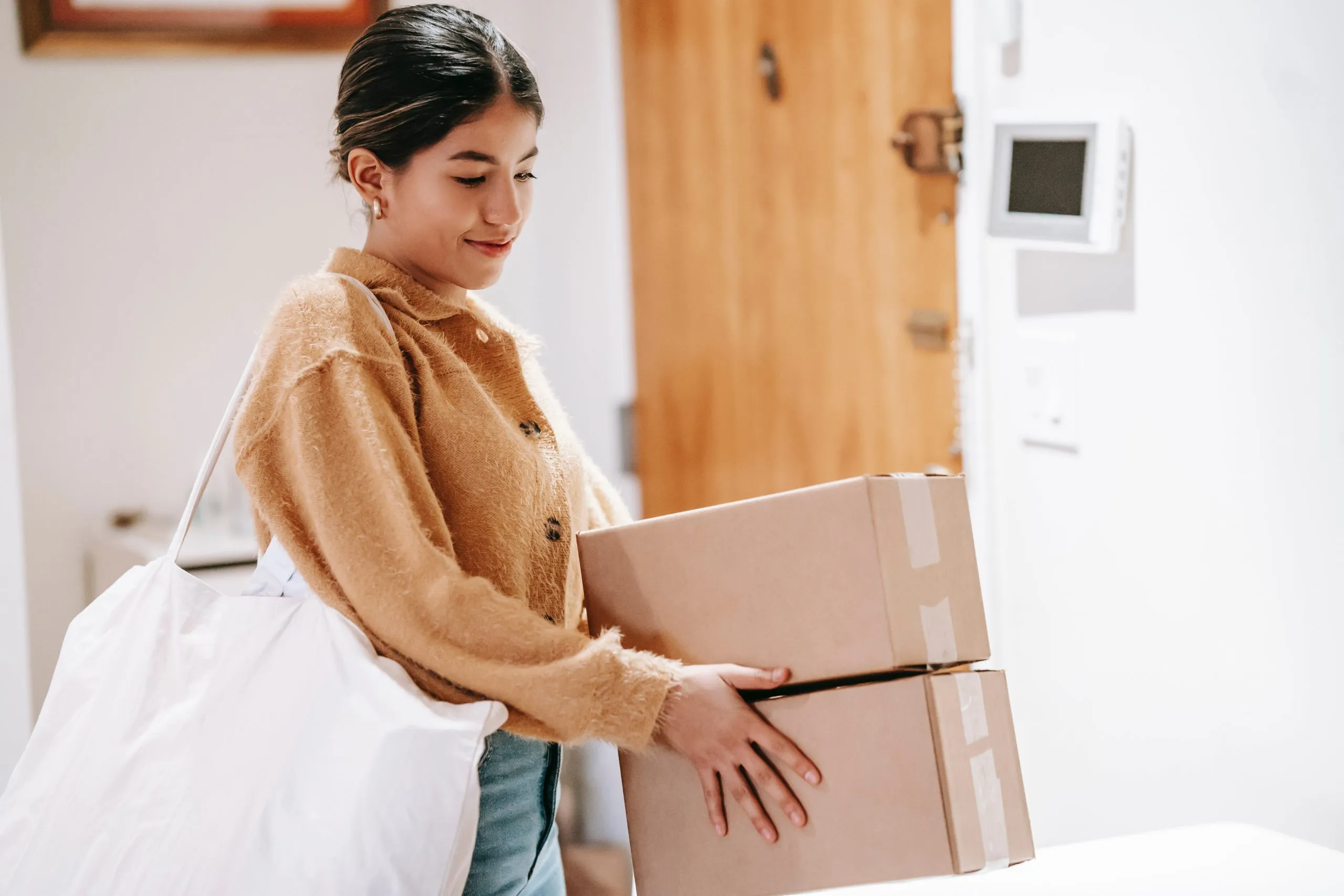
How do you make delivery an asset in your retail logistics?
E-commerce lets you multiply your sales channels and serve customers who want to buy online while keeping a physical shop. You give them the phygital, omnichannel experience they now expect. But investing in e-commerce brings radical changes to your business model. So how do you turn delivery into an asset for your business?
Surround yourself with the right logistics partners
In retail, as in other sectors, consumers are increasingly demanding about the quality of deliveries — and it is central to improving the customer experience. Whether you set up your own delivery service or use an outside logistics provider, you have to do everything you can to deliver a quality service. It is worth saying that the two are not mutually exclusive: you can perfectly well combine an in-house driver dedicated to your shop with outside couriers as backup during peaks. That is exactly what logistics providers such as Shippr offer. A same-day delivery specialist, Shippr lets retailers hand over part or all of their delivery operation. Every customer can log into their dashboard whenever they like and create deliveries as they need them. Ship-from-store delivery, transfers between shops, bespoke delivery, multi-drop rounds — choose the options that suit what you need at the time. With a Shopify plug-in and an API, Shippr fits in wherever you already are.
Tell customers about delivery from the home page onwards
The delivery experience actually starts on the brand’s home page. So:
- tell your customers clearly what you promise on delivery and on what terms
- set out and explain the delivery options available to them
Delivery is now one of the things that decides whether a customer buys. That visibility is therefore essential to building a relationship of trust with your customers — and it answers the demand for transparency at the same time.

Use flexibility to meet the demand for personalisation
Personalising the buying experience always comes down to offering a range of delivery options. The delivery address, the day, the method — customers want to choose all of it. To keep everyone happy, you need delivery options suited to your own audience. Optimising last-mile delivery is therefore crucial. It is the link in the chain consumers care about most, and it is also the most complex and the most expensive for retailers. A large vehicle fleet lets you meet any kind of need and cut delivery times. At Shippr, for example, our algorithms always assign the vehicle that suits the goods being delivered. That way we avoid running vehicles with empty space and we optimise the route through city centres.
Offer delivery tracking
When it comes to delivery, communication is one of the keys to an excellent omnichannel customer experience. In a Fevad survey, 80% of participants said being kept informed of their parcel’s progress was an absolute priority. At Shippr, real-time tracking comes as standard for our retail customers and for their recipients. A tracking link lets you follow your parcels on a map at any moment. We back that up with automatic communications: emails and SMS tell recipients where their delivery has got to, along with the essentials such as the time window in which their order will arrive.
React fast when something goes wrong
Logistics comes with its share of surprises, and believing it will never happen to you is an illusion. Problems on the road, an unavailable driver, a customer who is out — all of them happen regularly. In your omnichannel set-up, plan for a person or a team dedicated to running deliveries day to day. They are the key to a fast, appropriate response in every situation. At Shippr, we could not imagine a day without our support team. Available seven days a week for our customers, they track and anticipate anything that can go wrong, and their experience in logistics means they react to every problem proactively.
To hand part or all of your retail logistics to Shippr, talk to one of our business experts. They will be glad to discuss what you need and identify the options that will improve your delivery experience.