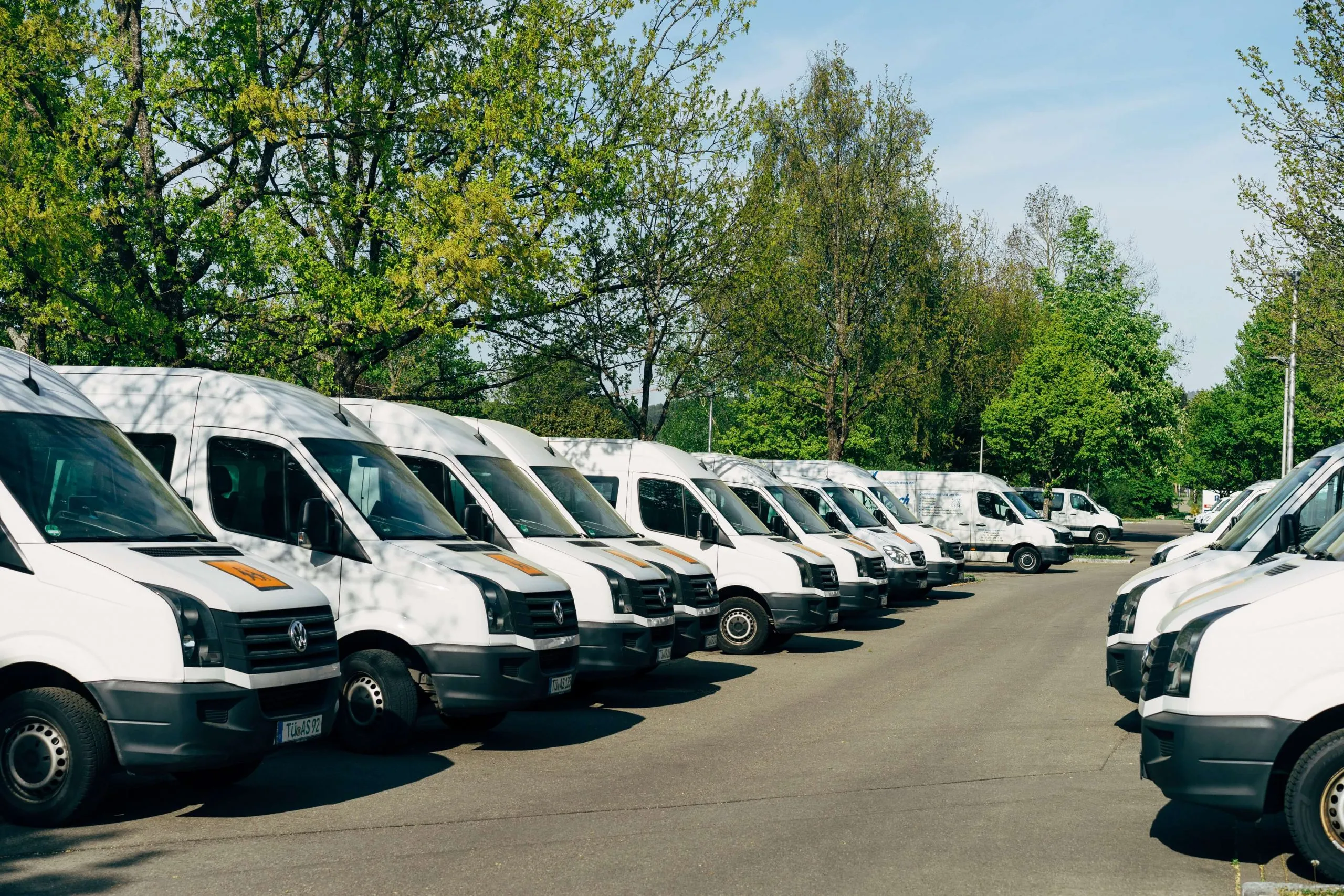
Have you heard of NGV? As alternative fuels gain ground, natural gas for vehicles (NGV) is winning over more and more drivers. Cheap to run and kinder to the environment, it answers a lot of today’s challenges. But what exactly is NGV? How does it work? What are the advantages and drawbacks? And how do you maintain a vehicle that runs on it? Here is everything you need to know.
What is NGV?
Natural gas for vehicles (NGV) is natural gas used as a fuel. At NGV stations it is generally sold in two forms: liquefied (LNG) or compressed (CNG). Made up of almost 97% methane, NGV is stored under high pressure, and using it lowers the carbon footprint of a fleet. Around 26 million vehicles worldwide run on it, with a range of 400 to 800 km depending on the model and how it is driven, so the technology has proved itself. A wide variety of vehicles can run on NGV: cars, vans, lorries, refuse trucks, city buses, coaches and more. Sectors as varied as freight transport, passenger transport, street cleaning, construction and waste collection are already taking an interest.
Did you know? It may sound surprising, but the natural gas for vehicles (NGV) that fuels cars and lorries is the same gas you use at home if you have a gas boiler. It is simply “natural gas”. The mixture is essentially methane, a gas that releases energy and heat when it burns. At home it heats your rooms or your water. In a car it feeds a combustion engine that produces kinetic energy, in other words the movement that turns the wheels.
A renewable form of NGV is now being produced: bioNGV, also known as biomethane. It comes from capturing the methane released as organic matter breaks down. That process gives NGV a carbon footprint 80% lower than petrol.
What is the difference between LPG and NGV?
It is important not to confuse NGV with LPG (liquefied petroleum gas). Natural gas for vehicles (NGV) is mainly methane, which can come either from natural gas or from biomethane, its green, renewable counterpart. Compared with LPG, it is far less likely to ignite or explode. Liquefied petroleum gas (LPG), as the name suggests, is a petroleum derivative made up mostly of butane and propane, and it calls for different production and storage conditions.
How does natural gas for vehicles work?
Like LPG, NGV works as a secondary fuel. Cars powered by natural gas have bi-fuel engines, so they run on both petrol and NGV. That is a sensible precaution, given that only a handful of filling stations in France are equipped to supply vehicles with gas. A car that can run on natural gas for vehicles is fitted with gas tanks, usually in the boot. It always starts on petrol, but an electronic switch moves it over to NGV in a matter of seconds. The same device switches back to petrol if the gas tank runs dry. If you own one, you can buy natural gas at equipped stations, or sign a supply agreement with a station dedicated to GDF vehicle fleets. Another option is to install a refuelling point at home, fed by your domestic gas supply.
Worth knowing: wondering where to fill up a vehicle that runs on NGV? Here is an interactive map of the NGV stations in France.
Why run on NGV?
Choosing natural gas to power your vehicle brings plenty of benefits, economic as well as environmental.
Advantages of NGV
-
- Lower emissions: natural gas produces 10 to 15% less CO2 than petrol. Some call it a “green fuel”, since it contains no lead or sulphur and so keeps harmful emissions down.
- Cheaper to run: with petrol and diesel prices rising, NGV is a more affordable alternative — up to half the price.
- Lower servicing costs: the engine lasts longer, because the engine oil is less contaminated by the fuel. Servicing intervals, oil changes included, are therefore longer.
- Better fuel efficiency: these vehicles cover longer distances, up to 30 km on a litre of natural gas, which is remarkable.
- Runs on petrol when needed: NGV vehicles are usually bi-fuel. If the NGV tank is empty, the engine runs on petrol.
- A car running on natural gas is quieter and odourless, which makes for a more comfortable drive.
Drawbacks of NGV
-
- Weaker performance: for all their green credentials, NGV cars perform less well. They are generally less powerful than their diesel or petrol rivals.
- Few filling stations: the biggest drawback is how rare NGV stations are. With so few pumps, travelling in this kind of vehicle is harder.
- Less load space: NGV tanks usually sit in the boot, which cuts storage space considerably, especially in small cars and hatchbacks.
- Less choice: only a few manufacturers build cars that run on natural gas, so you have less to choose from when you buy.
- Higher upfront cost: NGV vehicles cost more than their petrol and diesel equivalents. Converting an existing car to NGV adds a cost of its own.
Maintaining a vehicle that runs on natural gas
Does it need special servicing?
No, the NGV system needs no specific servicing. Like any mechanical part subject to wear, gas systems need scheduled maintenance roughly every 20,000 km. You can book that check at the same time as your vehicle’s usual services. Do pay particular attention to the gas filter and the ignition system: replace the gas filter when it needs it, and service the ignition system regularly.
Where to have an NGV vehicle serviced?
For servicing suited to this system, go to a garage approved for NGV and LPG vehicles. The AIR GPL network keeps a list, organised by département, of the garages that install, repair or service these vehicles. When you contact the garage of your choice, tell them the make of your LPG or NGV system. You will find it in the engine bay, on one of the system’s parts: the ECU, the vaporiser-regulator, the injectors, the emulator, the sensor or any other component that identifies the make of the LPG system. Knowing the make of the parts tells the garage whether it has the right software and knows that system.