Lorries are among the most heavily used means of moving goods. Delivering by this kind of vehicle looks easy, but it takes real care. Securing a lorry load is the operation that gets the cargo where it is going, in one piece. So what should you know about it, and what does it actually involve? What makes it work, and what equipment does it call for? This article answers those questions.
What is lorry load securing?
Securing a lorry means immobilising or stabilising the cargo it carries. A range of positioning and fastening techniques and equipment is used to do it. Together, those measures stop the load sliding or tipping over if the vehicle lurches. The point of the whole exercise is to deliver the goods intact and safely.
What makes for good load securing?
Securing a lorry is not simply a matter of loading the cargo and holding it still. Several conditions decide whether the job works. The securing system you choose must:
-
- Leave working space so the load can be handled easily
- Suit the characteristics of the goods (shape, dimensions, strength, and so on)
- Be used and maintained in line with the manufacturer’s instructions and specifications
- Hold the load or loads still, with blocking or filling equipment
- Stop the goods sliding, using friction mats
- Provide as many pieces of equipment as the length and weight of the cargo require
- Give a manual fastening that cannot come undone, work loose, open or detach in transit
It is just as important to keep checking throughout the journey that everything still meets the standards.
Who is responsible for securing a lorry?
Under article 7 of the annex to article D. 3222-3: “Loading, chocking and securing of the goods are carried out by the principal or its representative, under its responsibility.” The driver is therefore not answerable for the securing of the lorry, unless the transport contract says otherwise. Nor does the driver bear any cost for loss of or damage to the cargo caused by poor handling. The driver is, however, responsible for movements specific to the vehicle and for any damage that results from them.
What securing equipment does each vehicle need?
Securing equipment differs from one vehicle to another. The difference usually comes down to size, bodywork and the built-in lashing points the vehicle has. Whatever the type of lorry, though, friction mats or anti-slip pallets are always worth using.
For flatbeds and platform vehicles
This type of vehicle is normally used to carry long cylindrical loads (iron, tubes, steel bars and so on). Because it has no side walls, stanchions are needed. Adding beams and lashing bars will certainly improve the stability of the cargo. Alongside lashing points, chains or straps and chocks, a headboard makes the job easier.If the flatbed is meant for cars or other wheeled vehicles, wheel chocks are compulsory. Car-carrying straps are also advisable for extra safety on the road.The same goes for Savoyarde-bodied vehicles, sheeted vehicles with pillars and curtain-sided semi-trailers. Even though these do have side walls, the walls only hold the base of the load in place. In some cases they protect the cargo from the weather.
For tippers and open-top containers
This type of vehicle mainly carries bulk loads (foodstuffs, aggregates or powdered products). Securing them calls only for covering equipment: tarpaulin, sheeting and the like. Those covers do have to reach the whole of the load, and they must be free of tears.
For panel vans
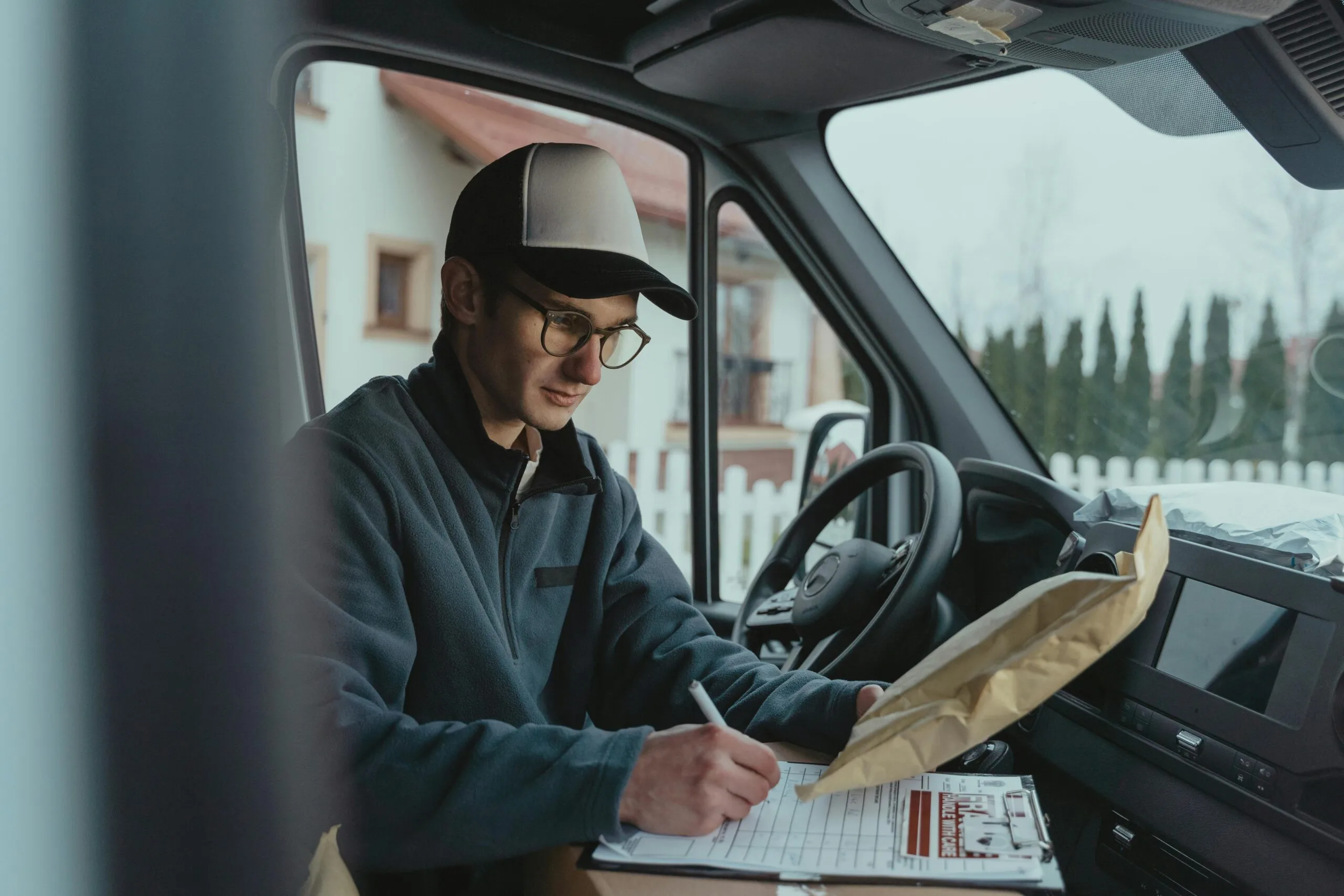
Vans usually carry parcels or letters. Most of them come with built-in securing systems: hooks, rings, rails and so on. Beyond that, pallets, filling material and pallet stop or blocking bars can all come into play. Internal lashing straps for vans are occasionally needed too.For other box-bodied vehicles, the securing equipment is the same.
For container lorries
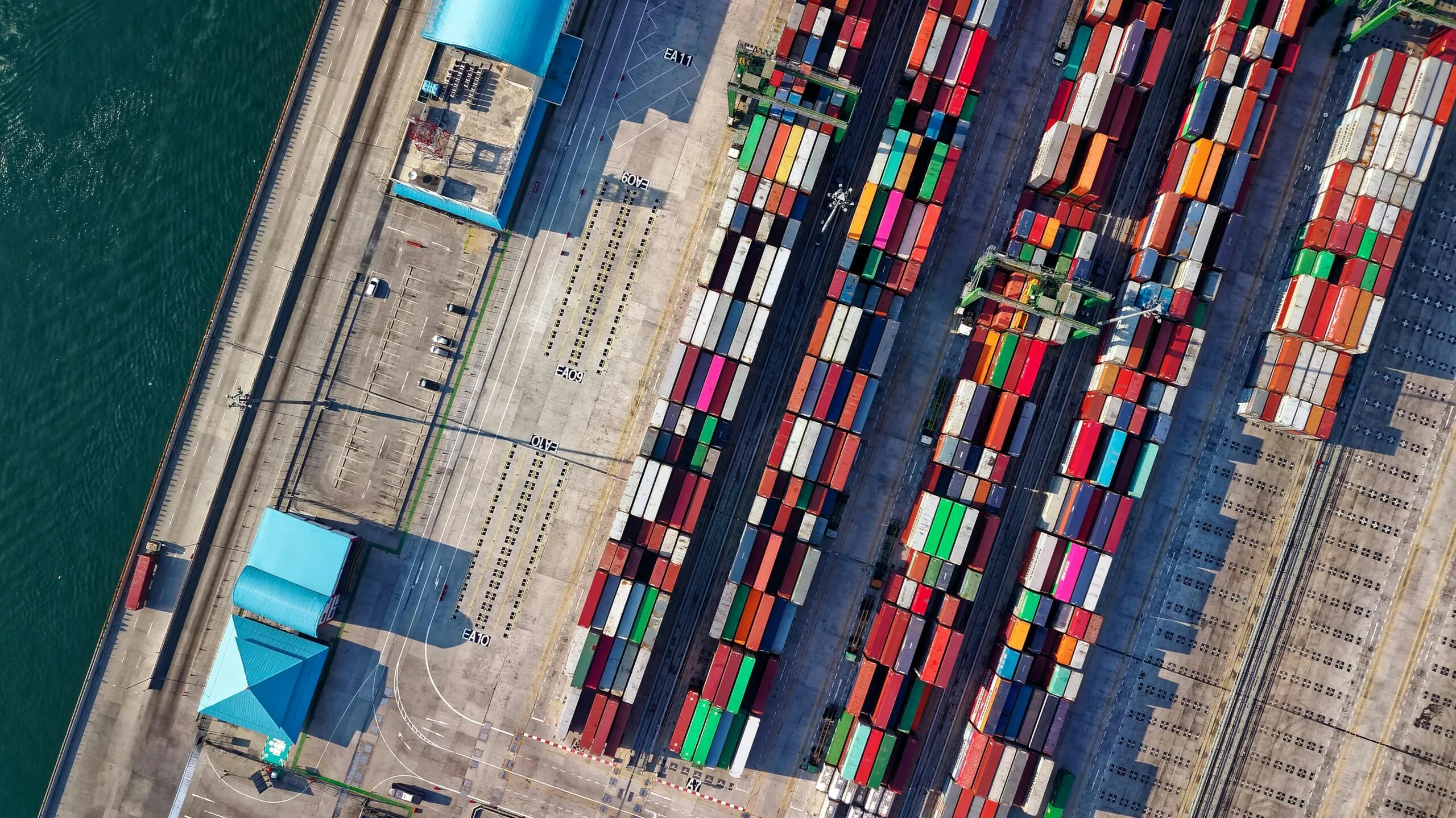
Container lorries are a kind of flatbed. Because they carry containers specifically, though, they are secured differently from other flatbeds: by locking. The carrying unit is fitted with twistlocks that engage the corners of the container.For containers that do not meet ISO standards, and on some lorries, that fixing is not possible. Chocks and lashing chains are then needed to carry the cargo safely.
What load-securing techniques are there?
There are two main securing techniques. They can be used on their own or together, depending on the level of safety you want.
Blocking
Also called banding, this technique immobilises the cargo against fixed or fastening structures. It also aims to reduce the gaps between the different loads as far as possible, using filling material. Vans and flatbeds are secured this way, for example.Note that this kind of securing covers several methods: chain lashing, strap lashing and top-over lashing.
Locking
This type of securing applies to ISO containers and swap bodies over 5.5 tonnes. Loads like these may only be carried on vehicles fitted with twistlocks. You simply seat the container in the four locks on the flatbed and tighten the nut. Depending on the size of the container and the model of vehicle, more locks may be needed.