Material, size, shape, looks, price, environmental impact: for many businesses, choosing food packaging quickly turns into a real headache. There is no way round it, and it matters enormously. Food packaging answers several major needs and is governed by precise rules. With deliveries booming, its importance has multiplied. How do you choose food packaging for your trade and your products? How do you tell whether packaging is environmentally sound? Whether you are a chocolatier, event caterer, pastry chef or restaurateur, Shippr helps you make the right choice.
Food packaging: a major issue
Food packaging answers 3 essential needs:
- Limiting the risk of contaminating consumers
- Preserving the nutritional qualities of food
- Making a food product easier to transport, label and use
Packaging plays an essential part in preventing food risks. To reduce risk and protect your products and your customers, stay vigilant and stay informed. Packaging also answers new delivery needs for foodstuffs, with online grocery deliveries growing steadily, alongside sales of catering, chocolates and restaurant meals. And food packaging answers consumers’ need for transparency. As a source of vital information about the product, packaging is a sales and trust argument with your customers. Choosing environmentally friendly packaging, for example, sends a strong signal to customers who care more and more about the environment. It also shows that you care about their health. In short: what makes good food packaging? It has to:
-
- Meet food safety rules and the law in force
- Keep foodstuffs in good condition throughout the process
- Suit the delivery method
- Create a positive experience for the consumer, not least by being environmentally responsible
What does the law say about food packaging?
Since 1 January 2020, the EGAlim law has banned the use of plastic for packaging unless it is:
- compostable
- or made partly or entirely from bio-based materials.
The law lists the plastic packaging and utensils now banned, among them cups, glasses, plates, straws and cutlery. It is in line with what consumers now expect. A large part of the population cares about environmental issues, and as that weighs more and more on their satisfaction, they now look for a genuine environmental commitment from businesses. A study by Nielsen in 2018 already showed that 73% of consumers worldwide felt ready to change their habits to reduce their environmental impact. In France, another Nielsen study in 2019 showed that reducing and changing packaging was an important criterion for 51% of households.
Which food packaging should you choose for transporting your products?
To find the food packaging that suits you best, here are the two essential questions every professional in the sector should ask:
- What type of foodstuff will you be delivering?
- How will you be delivering it?
Whether you are packing starters, mains or desserts, each type of packaging answers a specific problem depending on the type of foodstuff involved. They are not all equal, and they will not all keep heat and food in the same condition. Every packaging material has its own characteristics. Bonus question: will the dish be reheated? With meal deliveries on the rise, the consumer may well reheat the food. That calls for extra care in the packaging you choose, and raises further questions:
- Is your packaging oven-safe? Microwave-safe?
- At what temperature does your dish keep its taste and its nutritional qualities?
The different types of food packaging
There are now as many types of packaging as there are types of product. They have been designed for the many different players in the food sector: caterers, restaurateurs, retailers, producers, chocolatiers, bakers,
The paper bag
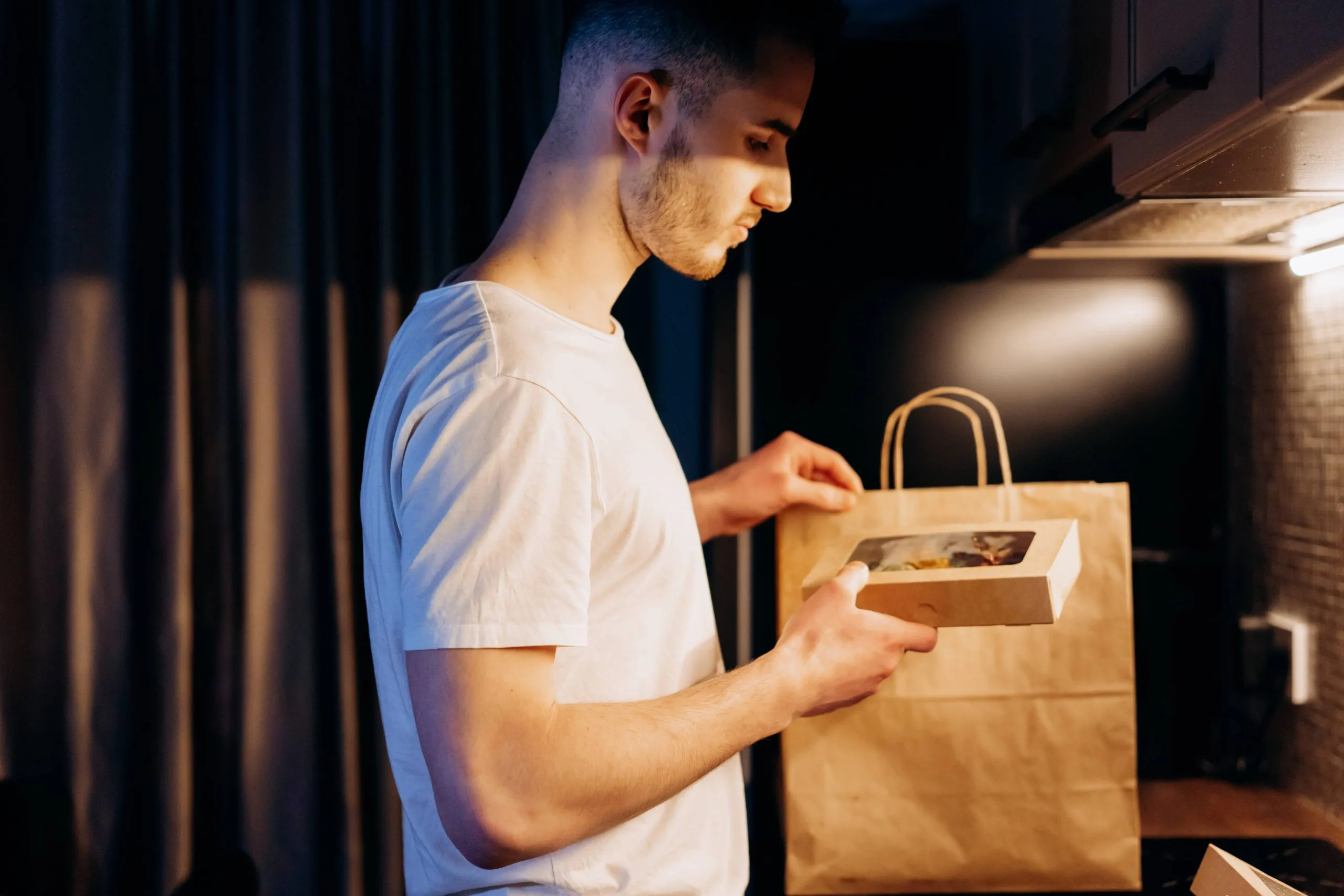
The paper bag is a must for every food professional. Used by bakers to carry bread and baguettes, and by market gardeners to move fruit and vegetables, its kraft paper construction gives it good strength and shows products off simply.
Food boxes and trays
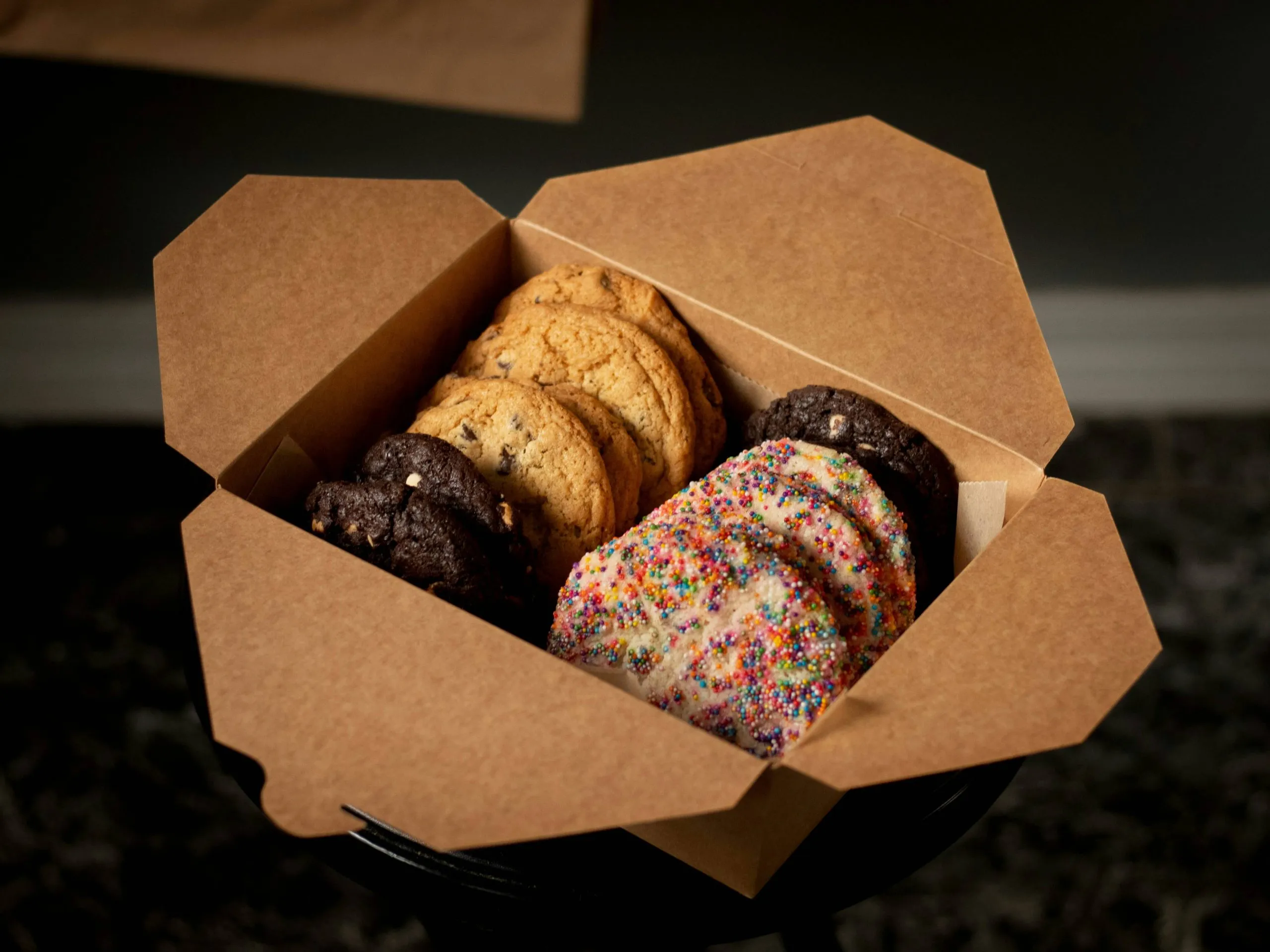
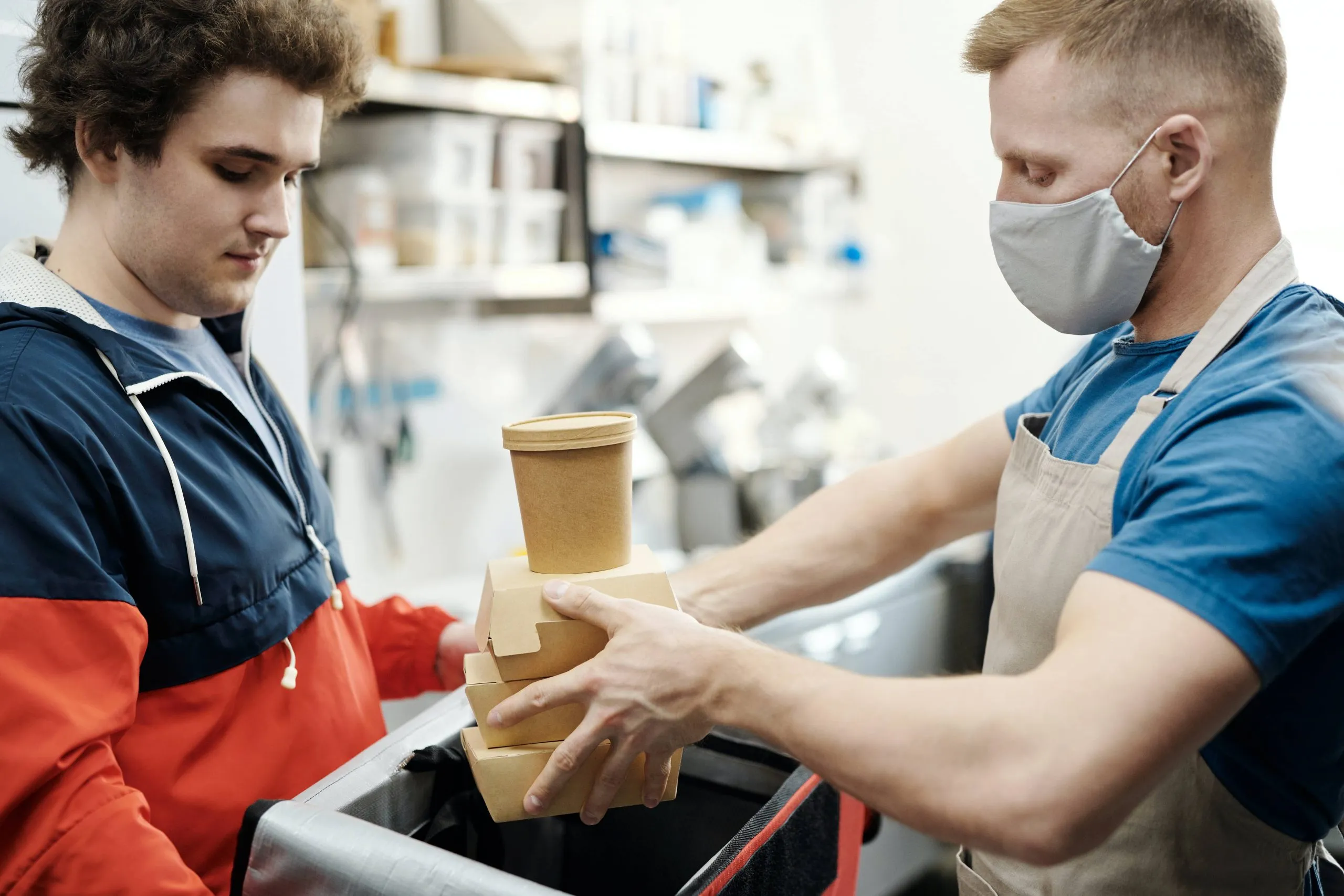
Strong and excellent at keeping food, boxes are heavily used. They are the basic container for your products: they keep them in the same condition from packing right through to consumption. Their advantages are many:
- they can be put in the freezer and kept there,
- they keep food hot
- and they can be sealed airtight.
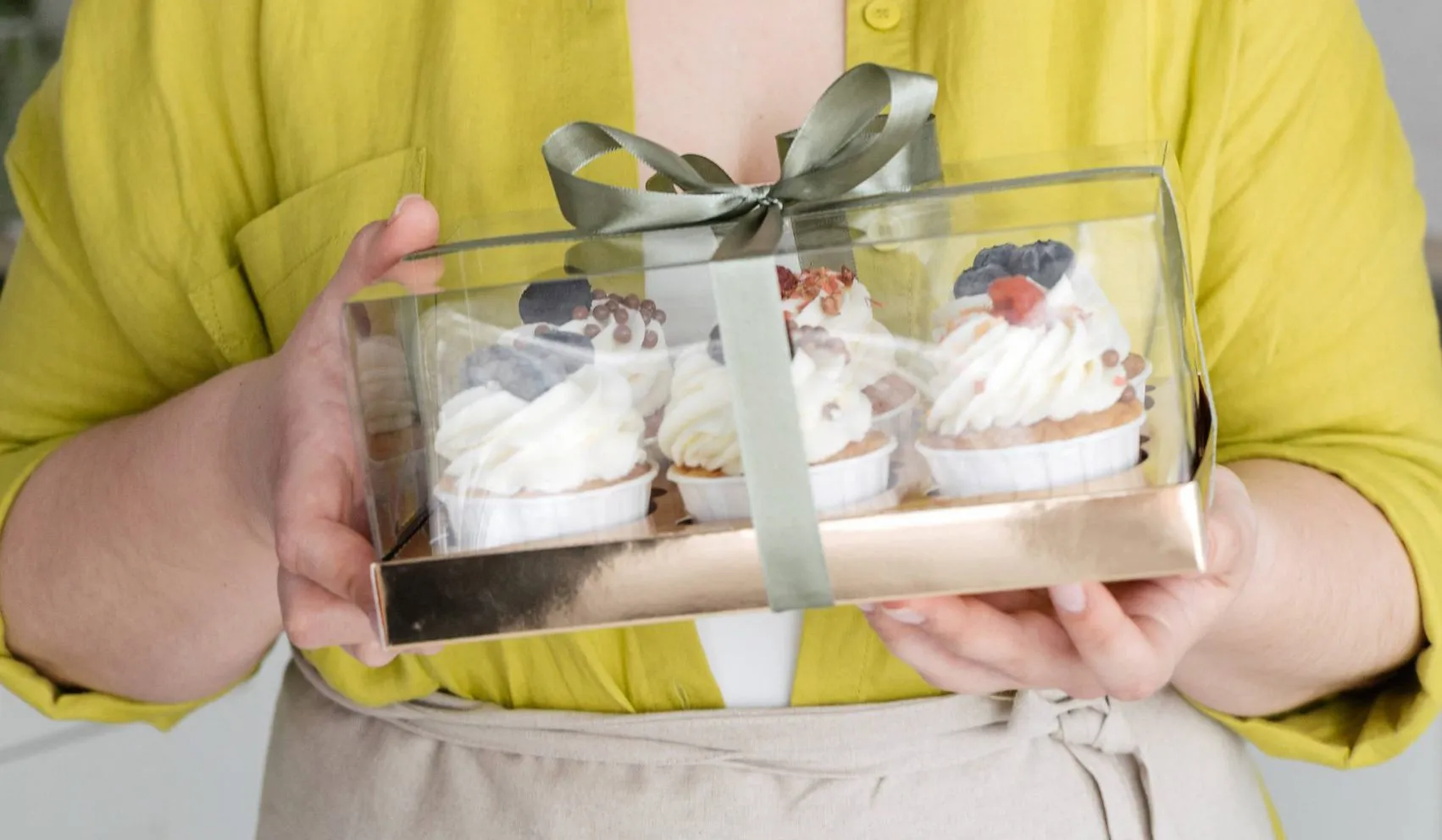
Some pastry chefs also use boxes with a window, to give their product more visibility while protecting it.
Cling films and food papers
These play a crucial part in keeping products intact during transport, preventing mess and spills.
Disposable tableware
Essential for restaurants and events, this category covers several types of item: plates, trays, dipping bowls, champagne flutes and more, available in a range of materials such as palm leaves or sugar cane.
Environmentally responsible food packaging
To comply with the law and meet the expectations of consumers ever keener on environmentally responsible businesses, plenty of eco-friendly packaging has appeared. Available in most of the formats mentioned above, environmentally responsible packaging can be:
- recyclable: such as cardboard or kraft paper
- made from recycled components and materials: such as recycled plastic or cardboard
- bio-based: made from materials such as sugar cane, wood or corn starch
- or reusable: such as recycled plastic bags and pouches, or insulated bags you can use again and again
How can you cut your food packaging costs?
Choosing your packaging inevitably raises the question of what it costs. The price of food packaging depends on a number of factors:
- the material it is made from
- the cost of making it
- its weight
- and its dimensions
What can you do to cut your food packaging costs?
Several levers are open to you when you choose your food packaging:
- made-to-measure packaging: it may sound obvious, but choosing containers sized to your products saves you money
- buying in quantity from wholesalers: this usually gets you better rates, and so savings
Also worth reading: 5 ways to cut your packaging costs effectively
Transport offers savings on packaging too. Choosing an external provider specialising in same-day delivery, such as Shippr, is a real asset in cutting costs. Because the drivers move your foodstuffs from the collection point to the final destination quickly and with no intermediary, you can cut the layers of packaging you need. Whether it is deliveries between your wholesalers and your kitchen, transfers between your kitchens or lunch box delivery rounds, you can pick the delivery solution you need from the Shippr range of services.
To find out more about our services and discuss the solutions that fit your needs, talk to one of our business experts. They will be glad to help.