The secret ingredient of good logistics in the food sectorKeeping the cold chain intact is part of daily life for a lot of food businesses. Restaurants, supermarkets, caterers, central kitchens … they all know how demanding their foodstuffs are. All the more so because a break in that chain has serious consequences, financial, reputational, legal and commercial. As deliveries have soared, transport has become the stage that tests the cold chain hardest. How do you keep it intact and build a real process, so that last stage stops worrying you? Look no further, the answer is in this article. Want to start with everything there is to know about the cold chain? Read on. If the cold chain holds no secrets for you, skip straight to how to keep it intact during transport. That is where the secret ingredient is.
What is the cold chain?
The cold chain rests on a simple principle: keep chilled or frozen food at a low temperature from one end of the process to the other. Cold is a genuine ally in preserving food, because it stops or slows the spread of microbes and bacteria. Restaurants, caterers, central kitchens, dark kitchens and supermarkets: a lot of food businesses fall under strict hygiene standards.
Keeping the cold chain intact has plenty of advantages
In a professional setting, keeping the cold chain intact is crucial to the survival of your business. Doing it carefully lets you:
-
- Guarantee your customers are happy with the quality and safety of your products
- Keep your products tasting as they should
- Preserve your products for as long as they should last
- Meet the legal hygiene standards
Breaking the cold chain: what are the consequences?
The cold chain is broken when the temperature around the product rises above the level it was set at. Given that the ideal temperature for bacteria sits between 10°C and 65°C, that level is reached very quickly. When it happens, microbes and toxins multiply inside the food concerned, and the product’s shelf life shortens as a result. As soon as that happens, a product that was safe to begin with can become a real health risk. Breaking the cold chain has serious consequences for you and your business:
-
- Unhappy customers, and customers put at risk: food poisoning is a real risk when the cold chain breaks, and it can expose you to legal action.
- A loss in stock and in the money that stock is worth
- Once it has been exposed to a break in the cold chain, your product’s shelf life is much shorter. That leaves you racing the clock to use it.
- Fines can be imposed on you. And your right to trade can be withdrawn too.
- Finally, your brand image takes a heavy hit. Trust between you and your customers breaks down. You lose customers and you may struggle to win new ones.
The conclusion is blunt: protecting the cold chain is vital to your business. Care and professionalism are what keep it from happening.
What are the contamination risks?
The effects of food poisoning caused by a break in the cold chain vary from person to person, depending on several factors:
-
- age
- build
- state of health
- and so on
There are also different levels of severity. Some people suffer moderate effects: diarrhoea, vomiting, stomach pain, fever and the like. In the most extreme cases, those effects can be fatal.
How do you keep the cold chain intact during transport?
Choose a professional carrier with cold chain expertise
If your business means moving your products, you generally need a logistics carrier. Delivery is a crucial stage, and a particularly delicate one when the cold chain has to hold. To make sure it goes well, hand your refrigerated transport to a professional carrier. Check carefully that the carrier has real knowledge and expertise in the cold chain. The rules are strict, so choosing a professional logistics provider improves your compliance with what this kind of load demands. The logistics provider Shippr already works for a lot of clients in the food sector. We work with more than 500 professional couriers, and they know the AFSCA standards, so transport meets the rules.
Be professional, because the carrier carries your brand
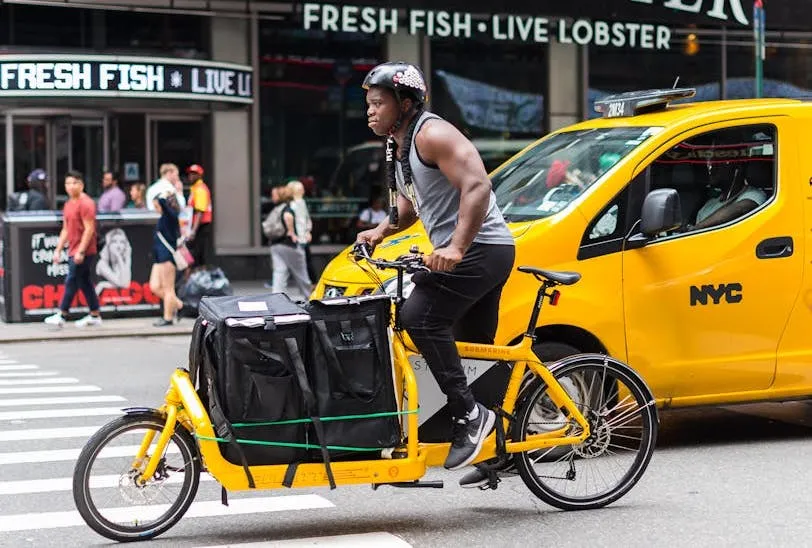
Your carrier also represents your company to your customers. They deal with those customers directly, so they have to be picked carefully. Remember that the carrier holds much of the responsibility for a delivery going well, and therefore for how happy the recipient is. Shippr’s offer lets you keep control of your image with your customers. Our service can be tailored on the usual things, such as the time slot and delivery tracking, and on instructions specific to your company’s image (branded uniform, delivery to the floor, and so on)
If you would like to know more, book a meeting with one of our business experts.
Be reliable, punctual and trustworthy
When you know how much timing counts in the cold chain, the carrier has to keep to the delivery times and places agreed in advance. Tied directly to that, they have to give you full visibility on where your goods have got to. So a relationship of trust needs to be built between you and your logistics provider. Transparency is a value Shippr holds high, and we make a point of providing real-time tracking of the delivery. It is available to you, but to the recipient too. At any moment, you can check how far your Shippr courier has got.
Use refrigerated vehicles
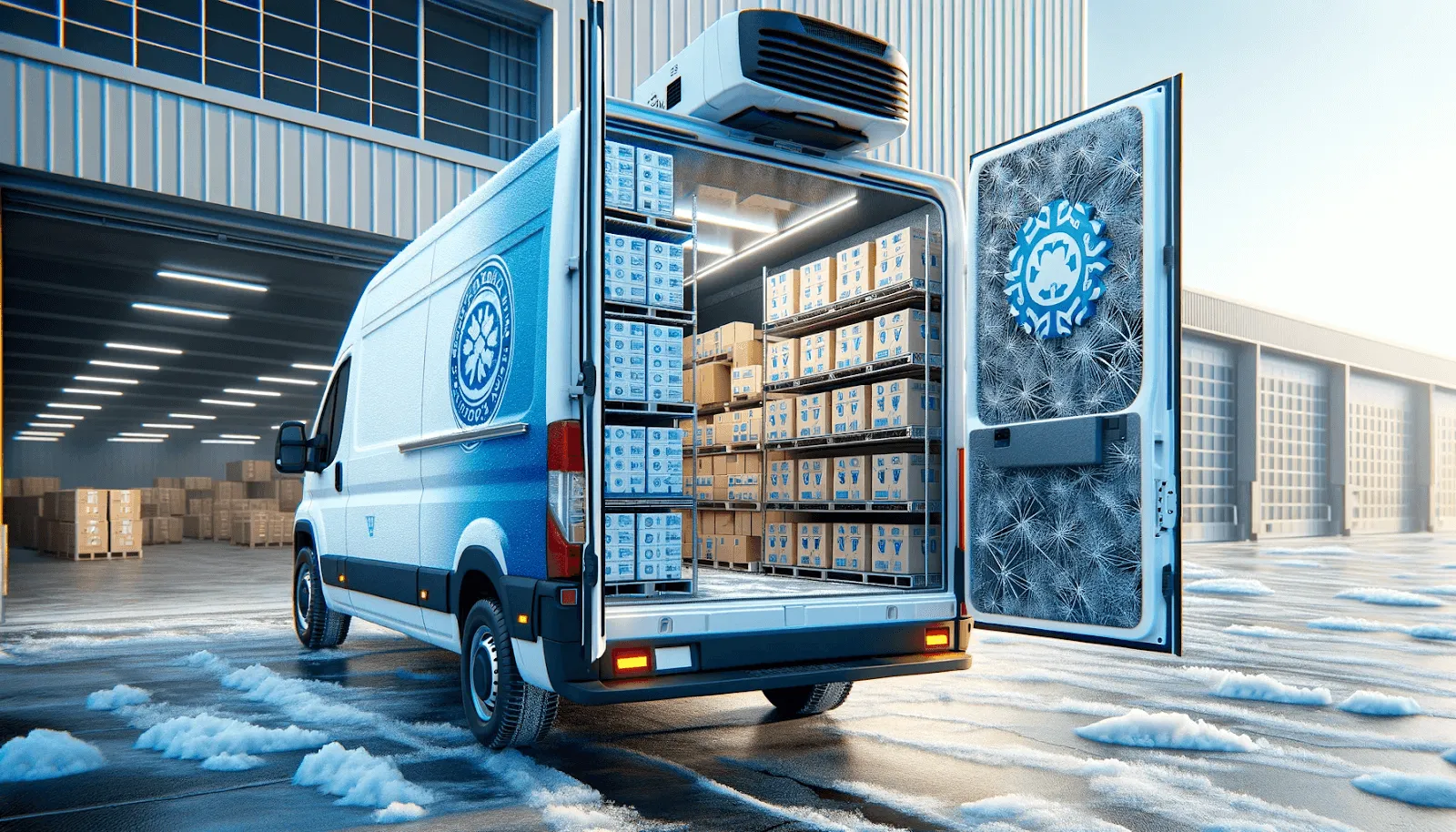
Foodstuffs have to be carried in vehicles built for them. Fleet maintenance has to be meticulous, of course: the containers on refrigerated vehicles matter enormously to a delivery going well and have strict hygiene standards to meet, which makes cleaning and disinfecting them essential. If you choose the professional logistics provider Shippr for your food transport, the refrigerated vehicle is already part of the service. So you have no van to find and no van to invest in. One is assigned to your deliveries straight away. Those refrigerated vehicles also carry thermometers, so the temperature is monitored constantly and the load travels safely.
How long do you have to carry frozen goods?
To carry and store frozen goods, you have to hold them below zero, and more precisely below -18 degrees. That takes refrigerated vehicles, insulated containers and sub-zero cold rooms. Refrigerated vehicles hold and monitor sub-zero temperatures. They can be single or dual temperature, so they can carry different types of product, such as chilled and frozen goods together.You can also use an insulated bag or cool box to carry frozen goods. Fitted with coolants such as eutectic plates or dry ice, these containers make refrigerated transport possible in an ordinary vehicle. Which of the two you choose sets how long the journey can be:
-
- If you decide to carry your frozen food in an insulated bag, the journey has to be relatively short. It must last less than half a day.
- If you carry the goods in a cool box, the time stretches out and can reach 5 hours, depending on how you use it and on the outside temperature.
To make that journey safely, a few important hygiene rules matter. First, remember to chill the cool box before you use it. Add ice, and open it as little as you possibly can.
What are the storage rules?
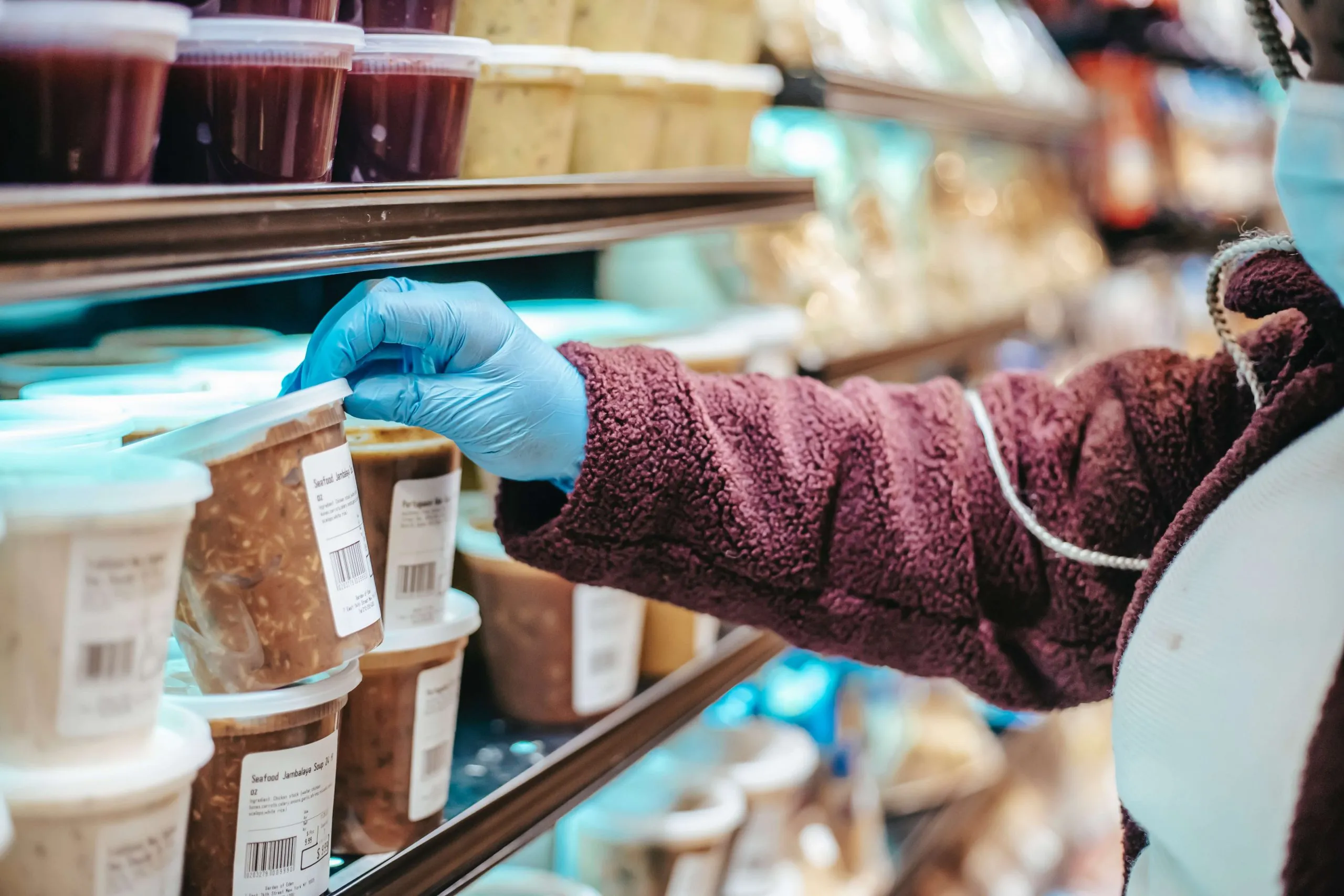
Once the goods arrive, get them into storage as fast as you can. Try not to let more than 15 minutes pass between receiving the goods and putting them where they are stored. In a fridge, the temperature has to sit between 0 and 7°C. Check it at least once a day.
Keeping the cold chain intact: an absolute priority
As we have seen, keeping the cold chain intact is crucial to your business. A break in it causes substantial damage, sometimes damage you cannot undo. Handing closely watched deliveries to an external logistics provider like Shippr is the secret ingredient you need. Feel free to book a meeting with one of our business experts. They will build a real cold chain process with you for your transport.