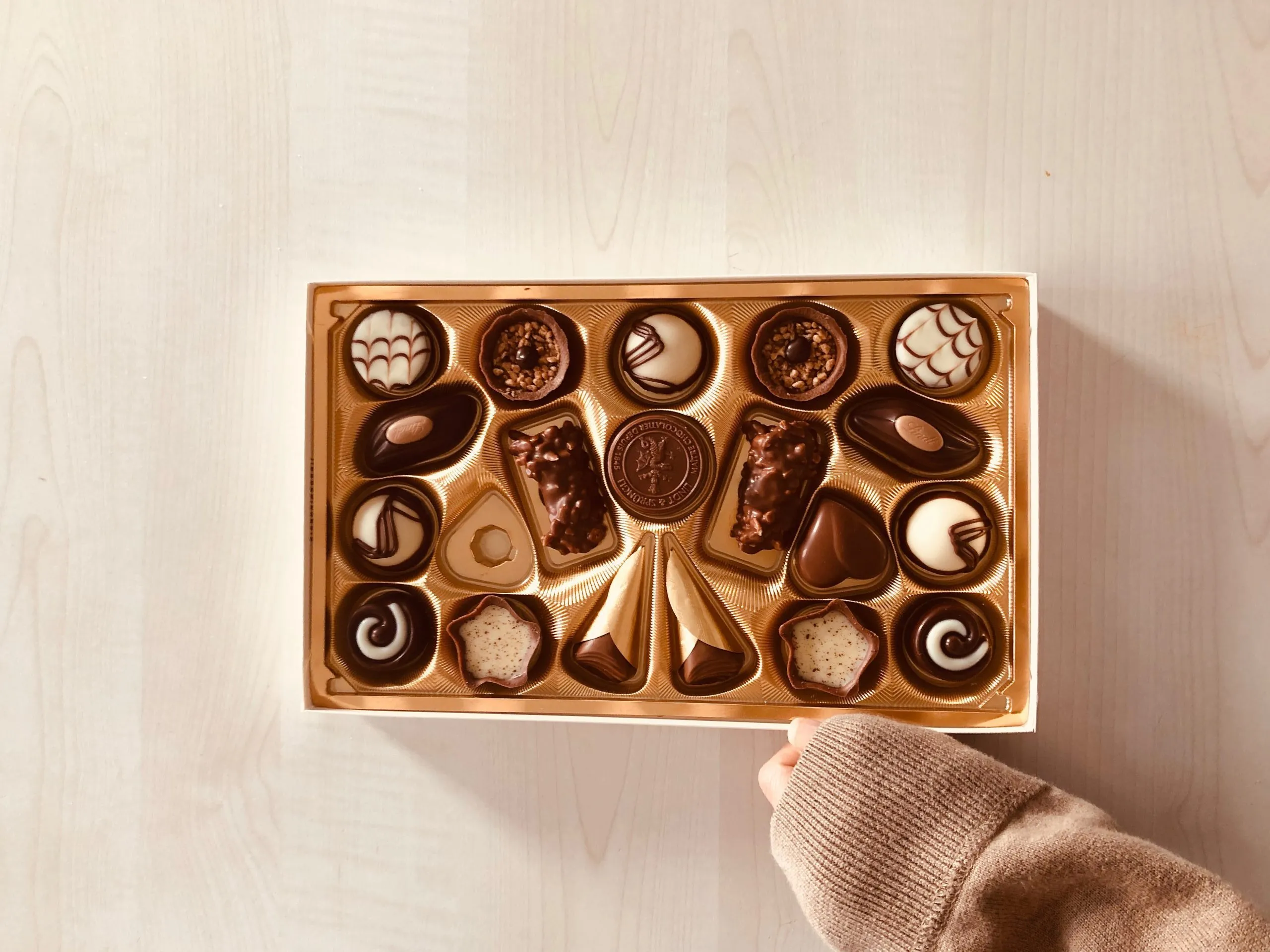
Praline, hazelnut, dark or ganache, chocolate is the sweet, delicate treat given on every occasion. Whether for Christmas or Easter, or as a corporate or birthday gift, its popularity makes it a safe choice in any circumstance.To keep up with the boom in deliveries, chocolatiers now face another constraint: managing their logistics. Chocolate is an extremely fragile product, and transporting it brings a long list of challenges.There are ways to meet them and to move chocolate in the best possible conditions. Use this checklist to ask yourself the right questions about transporting chocolate. It sets out how to handle each challenge in turn.
When does chocolate need transporting?
Chocolate is a hugely popular gift for all sorts of occasions: Easter, Valentine’s Day, and the end-of-year holidays. Its popularity makes it an ideal present in plenty of situations. Chocolate figures for children, macarons, bars of chocolate or a box of pralines for family or colleagues — this small, indulgent parcel rarely misses. The explosion in deliveries has reached chocolatiers as well. Many now run their own website alongside their shops. With that mix of physical stores and e-commerce, deliveries have become a critical part of the business. So chocolate travels on plenty of occasions:
- Home delivery to customers
- Transfers of raw materials or goods between your outlets, or from workshop to shop
- Delivery rounds taking boxes of pralines to a company’s staff or clients
- And so on
What is the enemy when you transport chocolate?
Danger no. 1: heat
As we have seen, chocolate is delivered on all sorts of occasions, all year round. Temperature is therefore an issue at every point of the calendar. Chocolate bars are highly sensitive to temperature swings. A slight variation can do serious damage: distortion of the way it looks, of the way it tastes, and so on. From 28°C, chocolate starts to melt and its components separate. It has to be carried at a temperature between 10° and 18°C.
Danger no. 2: freezing cold
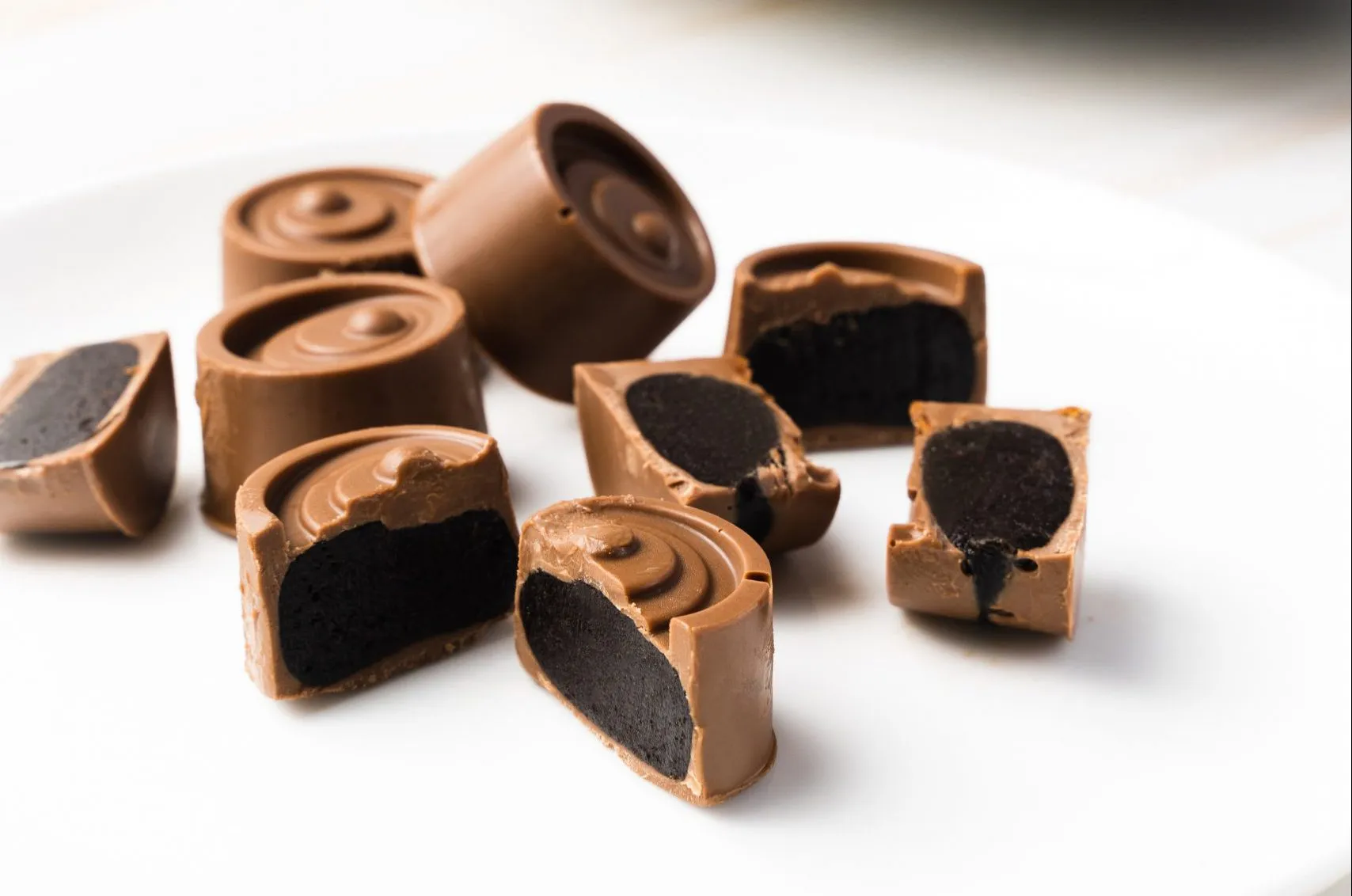
Filled chocolates, on the other hand, suffer badly when the temperature drops too low. Frost makes the liqueur inside them swell, and the shells then crack.
Danger no. 3: humidity
Humidity is another enemy of chocolate. It dissolves the sugar, which then forms sugar crystals on the surface. Together, a rise in temperature and humidity will make the product go mouldy. The conditions for transporting chocolate have to be followed to the letter.
Danger no. 4: rough handling
Often seen as the crucial and highly complex stage, delivery is subject to whatever the road throws at it: braking, vibration, temperature, and so on. All of these put your premium products at risk. The packaging deserves the greatest care.
How do you transport chocolate safely?
- Is your chocolate packed properly?
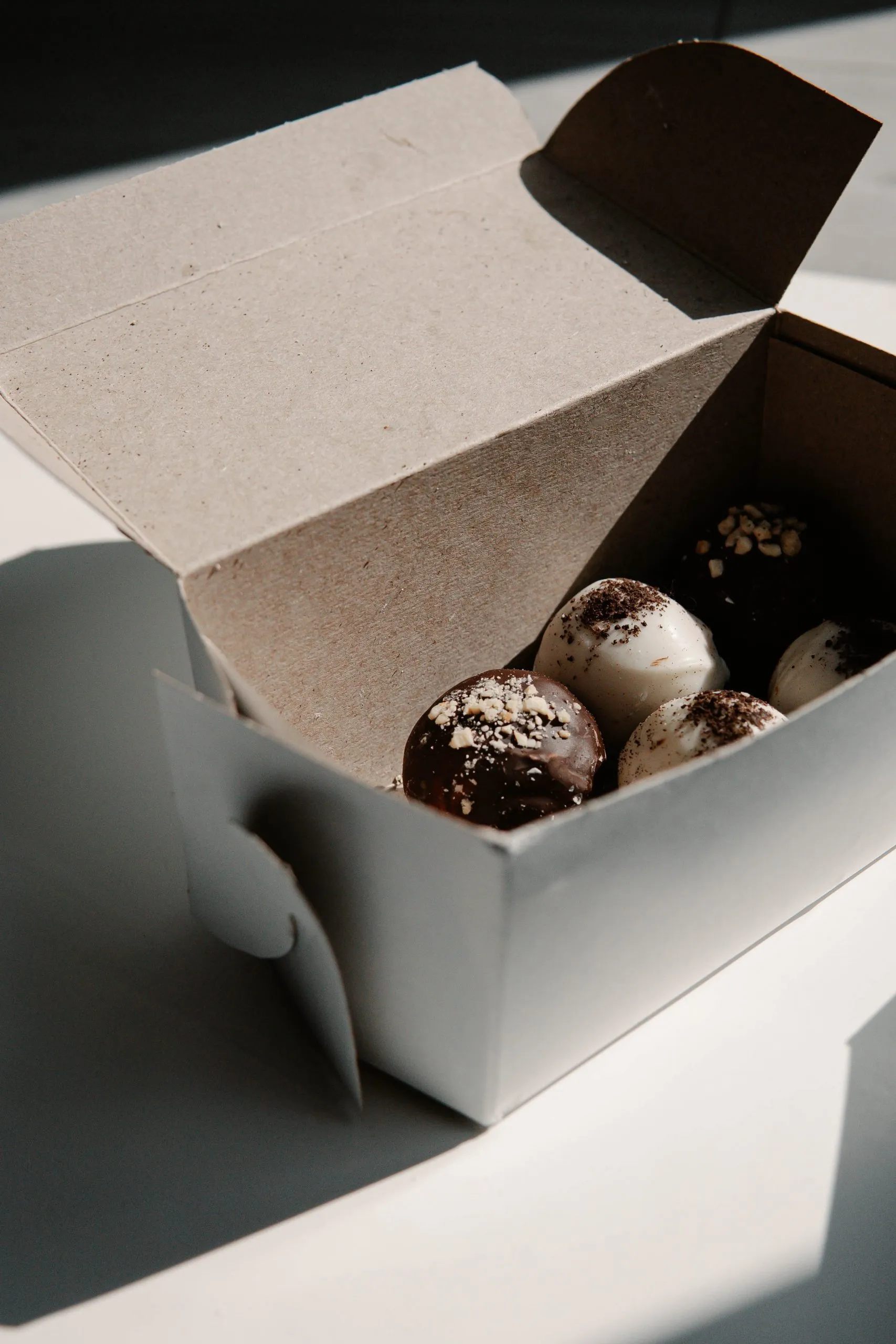
Chocolate is an extremely delicate product. Because it is so sensitive, the packaging has to be chosen carefully to keep it intact in transit. Traditional chocolate packaging has a protective inner layer. Made of foil or coated paper, its job is to preserve the flavour. The outer layer is generally card or paper. A box of expanded polystyrene (EPS), better known as frigolite, is an excellent insulator for chocolate. Made of a single material, it is also recyclable and has no toxic effect on groundwater. There are also insulated or metal-lined card boxes, purpose-built by professionals to protect chocolate from heat. That last example works much like the insulated bags we use for frozen food. In short, a few tips:
- Put your chocolates in a protective box.
- Make sure they are wedged inside it. Wedging stops them moving around too much in transit.
- Each layer can be separated with tissue paper for extra stability.
- For even better protection, wrap the box in bubble wrap.
- Is the temperature of your chocolate controlled in transit?
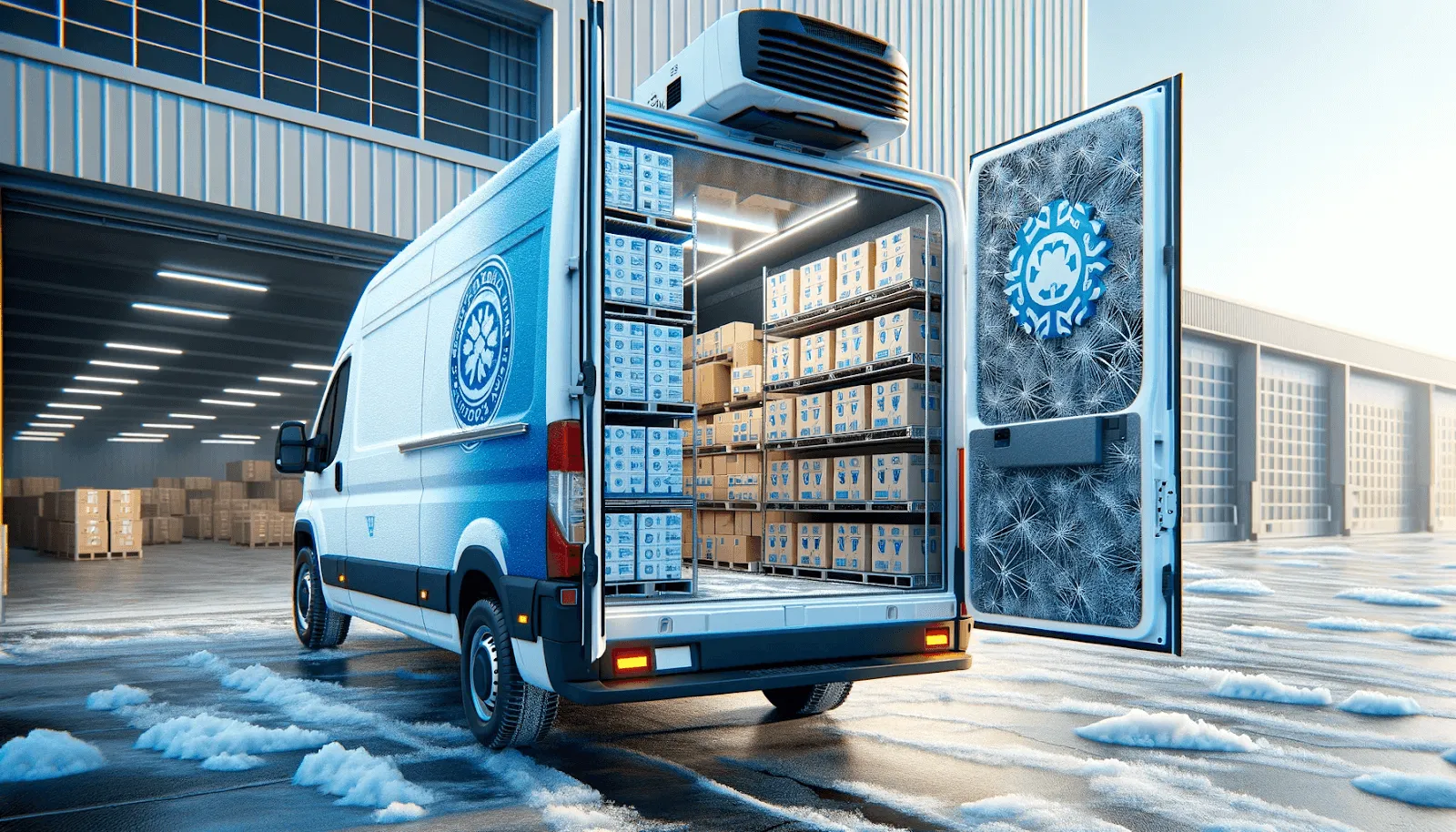
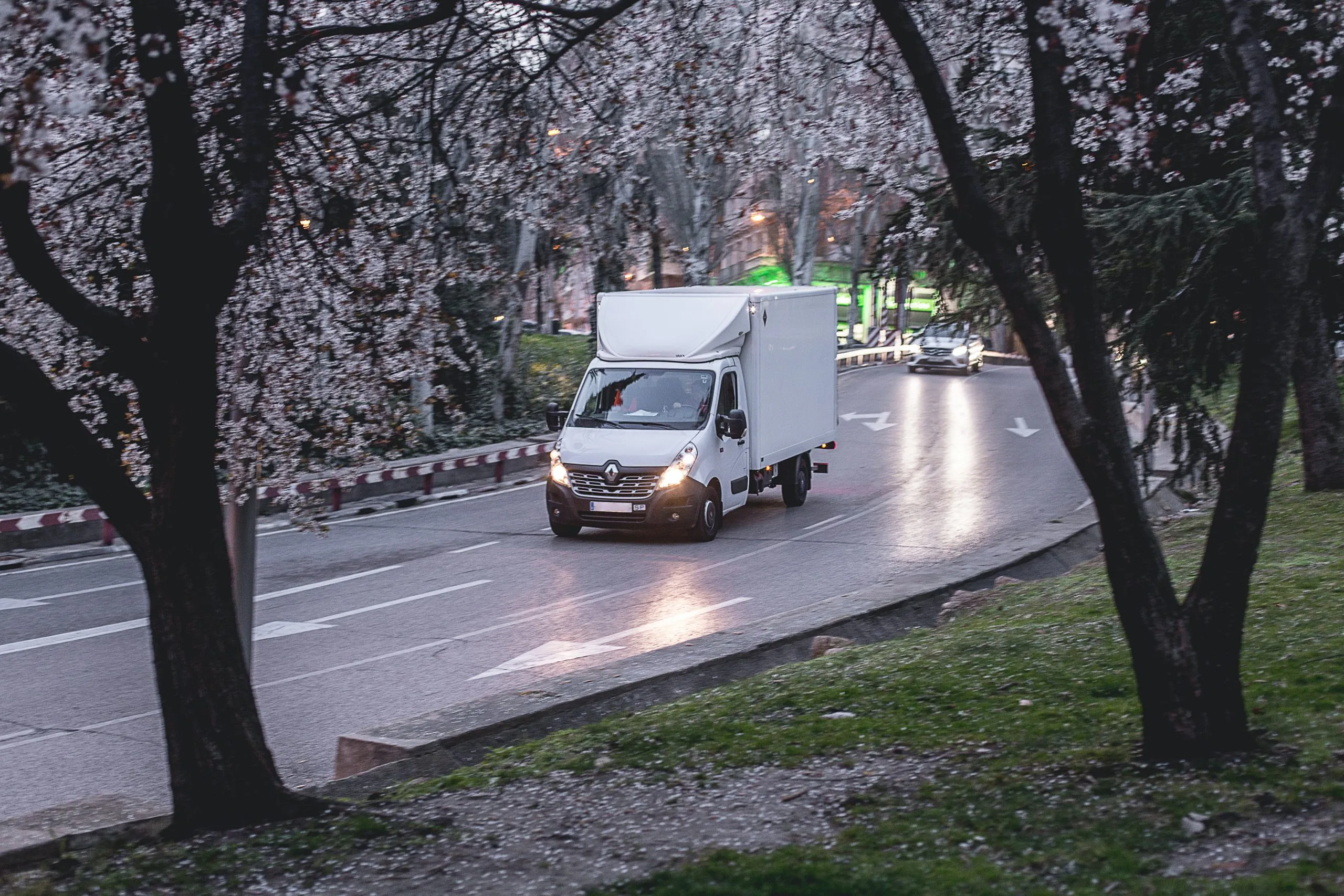
To deliver chocolate without compromising it, we at Shippr run refrigerated transport. We work with several chocolatiers, Marcolini among them, and handle the whole of that transport. The chocolates travel in temperature-controlled vehicles, so the temperature stays constant for the whole journey. Refrigerated vans are ideal for carrying fresh products and keeping the cold chain intact. Our partner couriers are transport professionals too: they have AFSCA knowledge and know the health standards that apply to delicate products such as chocolate.
- Do you have the right vehicles for carrying chocolate?
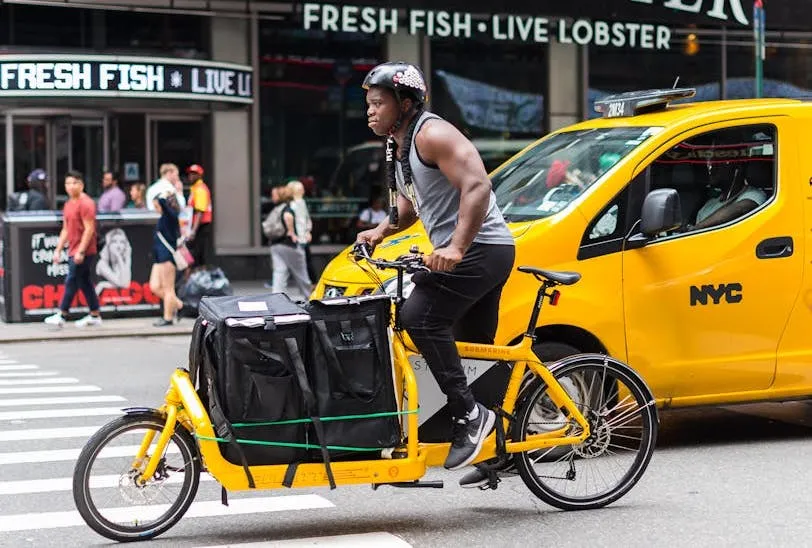
As we said above, a journey is rarely plain sailing. Vibration, braking, knocks — the road can do serious damage to your premium products. So you need the right vehicles to keep that damage to a minimum.We have already mentioned refrigerated lorries, which are a real ally against the vagaries of temperature. Refrigerated boxes can work too on a direct run, such as a delivery on the day itself. That makes it easier to vary the vehicle and opt for a cargo bike over shorter distances. A scooter can also keep you out of the traffic jams that come with city centres. You will of course need to check that the boxes of chocolates have been packed properly, to maximise their protection. Bear in mind, though, that chocolate figures — for Saint Nicholas, say, or Easter — are far less well protected. It is often hard to box a figure, unlike truffles. These fragile parcels therefore need particular care and better-suited vehicles. Delivery by car is preferable here. A car absorbs more of the vibration from Paris cobbles, and more of the knocks, than a two-wheeler. Chocolates come in different shapes, but protecting them in transit matters just as much either way. That is why Shippr has more than 500 professional couriers driving every type of vehicle. From cargo bike to refrigerated van, our algorithms match the vehicle to the goods being delivered.
- Do you deliver same day?
Beyond the demands chocolate makes on its environment, transport matters in its own right. Because chocolate is perishable, same-day delivery is the better bet. It gives you an immediate transfer of the goods, with no intermediaries in between. Shippr has made it our speciality. We work for a wide range of clients across many sectors, and plenty of what we deliver is fragile or needs specific packaging. Same-day delivery is what keeps fragile products intact. There are two ways to run that service:
- Employ your own couriers
- Use an external logistics provider
The two are of course perfectly compatible. You might well have an in-house employee dedicated to deliveries while calling on an external logistics partner at peak times. Shippr already plays that partner role and brings its expertise when you need it. Whether occasionally over the holidays or to take your whole logistics operation off your hands, you decide, according to what you need.
- Do you keep your customers informed?
When you deliver chocolate to customers’ homes, they have to know how difficult this product is to ship. Make sure recipients are there to take their order. Leaving a parcel full of chocolate outside, on the doorstep, will end badly. Steady communication with your customers maximises your chances of a successful delivery. That is why we built an automatic messaging system for our clients and their recipients. Texts and emails tell them how their parcel is progressing. Real-time tracking of every delivery is available to our clients and their recipients too.
Transporting chocolate: challenges you can meet
Transporting chocolate is complex and raises plenty of logistical challenges. There are ways to meet them, though, and to take the opportunities a delivery service opens up. Using an external provider can make that transport far less stressful.
That is why Shippr puts its expertise at its clients’ disposal. Whether to take part or all of their logistics off their hands, we meet the needs of each chocolatier so they can concentrate on the core of the job: making these indulgent treats. Do get in touch and talk it through with one of our business experts.